Time-traveling
Imagining the past and the future. With a lot of speculative biology.
Every generation has to write its own version of history in order to understand itself, to make its present intelligible at all. By interrogating the past, we are also wondering what is possible in our future.
With the rise of artificial intelligence and rapid environmental collapse, I believe the pace of change forces us to look at our past on a much wider scale than the human. We have always been part of a process of acceleration. Earth has existed for 4.5 billion years, life on Earth for 3.7 billion years, mammals for 200 million years, Homo Sapiens for merely 300,000 years, writing for only 5,000 years, controlled airplanes for around 100 years and the internet for less than 60 years. Our imagination probably falls short of conceiving a future 200 years ahead, let alone 1,000 or the time of the hypothetical heat death of the universe. Yet, long term planning is essential for the survival of our species and our biosphere. How can we train our imagination to reach other dimensions?
Intelligence is a much broader phenomenon than the human brain. We think through our whole bodies; the brain is a coordination endpoint. The history of life makes more sense as the evolution of ecosystems than as a sequence of individual actors. Crises are also opportunities for new beginnings. Despite all the current suffering and understandable fear, I practice existential hope, meaning I believe that the long future is not merely survivable but extraordinary. I expose myself to outstanding situations, build spaces, read what intrigues me, imagine future beings with my hands, and then try to see the patterns.
On this page I would like to share the fruits of my current research, but also the evolution of my thought process.
Imagining the past and the future. With a lot of speculative biology.
From linear perspective to latent spaces.
The relationship of maths and culture. Patterns as the underlying logic of reality, and algorithmic art.
The history of artists as a social role, the concept of genius, cultural industry and alternative paths.
I want AI to amplify the value of physical craft. The more digital iterations are created, the more precious the originals become.
Selection edits. The real jumps in the history of life happened through symbiosis.
If you read only three things here, read these.
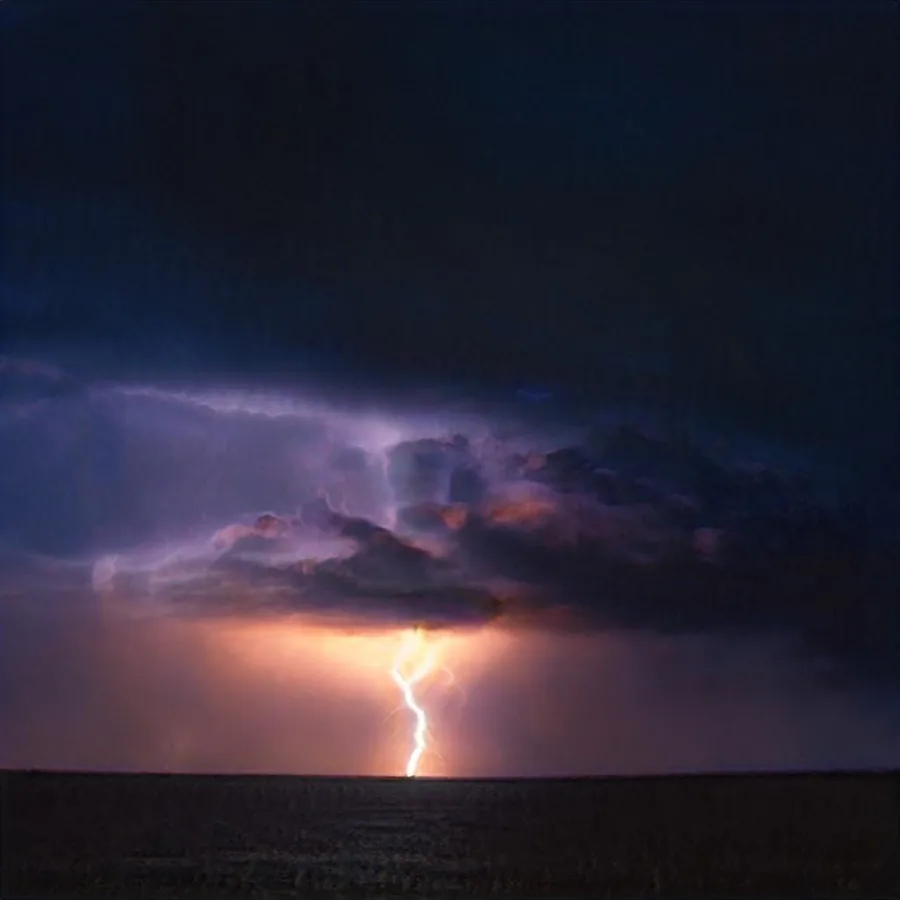
Written before the AI image boom of 2022. It explains how generative models would upend the creator economy, and that the best artists could do was to learn as much as they could about the AI models and the possibilities they open.
Read it →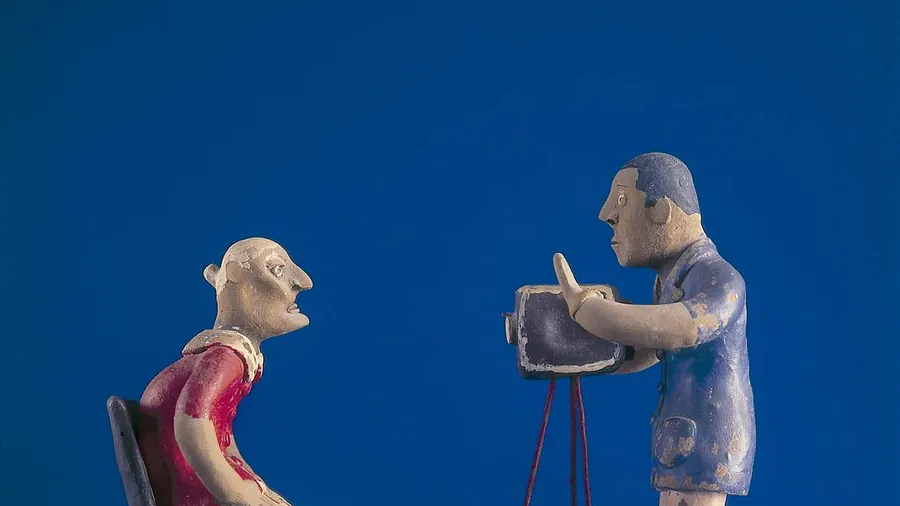
I want AI to amplify the value of physical craft rather than obscure it. On the smell of the materials, the learning curve, and the gap between what you envision and what the clay allows.
Read it →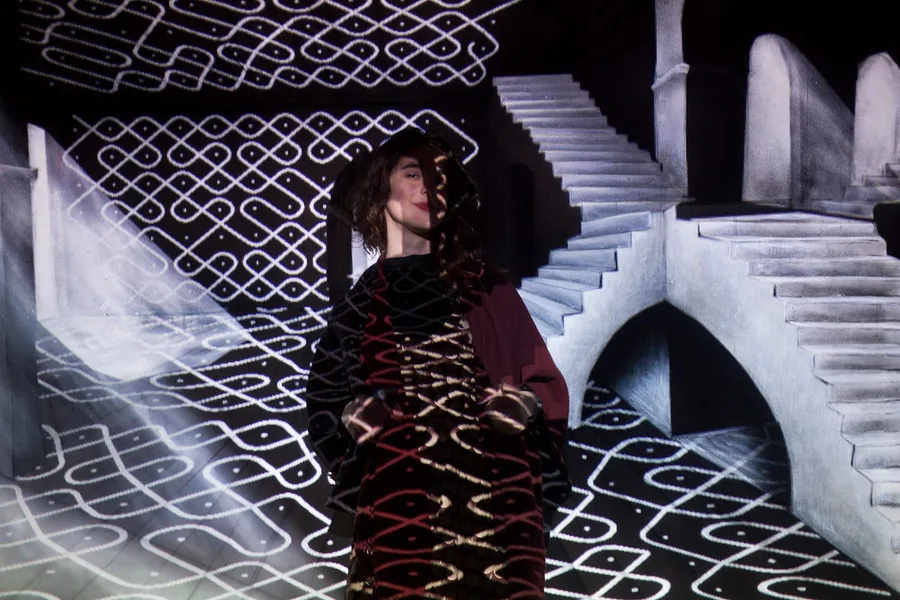
The essay traces ethnomathematics from Paulus Gerdes back to Ubiratan D’Ambrosio in the 1970s, and to what shaped it: Paulo Freire’s pedagogy of the oppressed, and Oswald Spengler’s argument that a history of science has to be a history of cultures.
Read it →NeurIPS 2025, Creative AI track · Paper, poster and panel participation
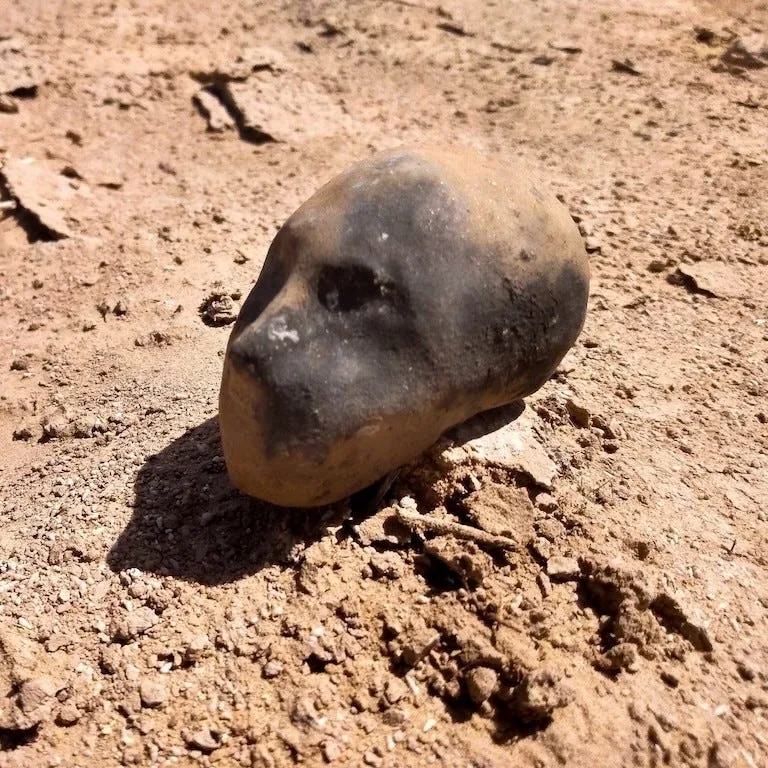
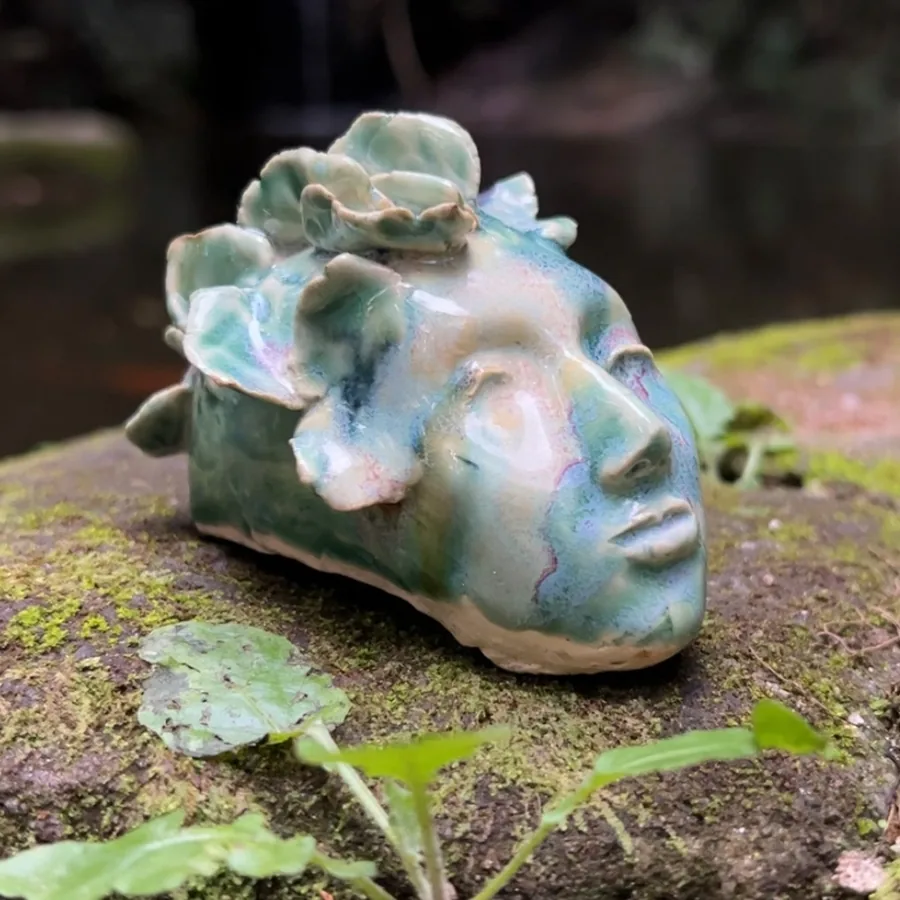
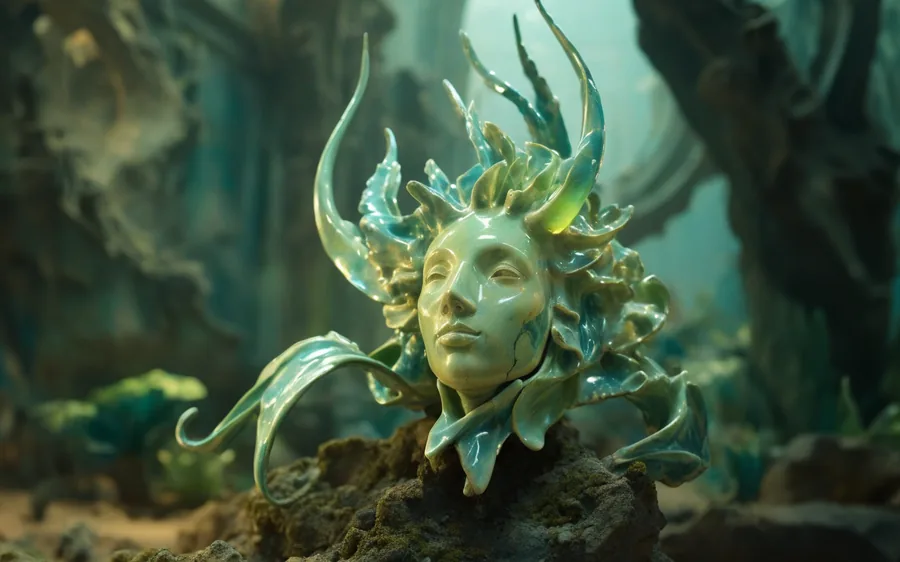
Little Martians is a trans-media experiment in which physical ceramic sculptures become synthetic artists. Each character begins as a clay head, is fired in a kiln, photographed, and distilled into a LoRA that conditions generative AI systems. The pipeline bridges ancient craft and modern AI, rooting autonomous agents in material culture while enabling them to generate unlimited narrative, image and sound.
Read the paper (PDF) ·The poster (PDF) ·Project page ·Companion essay on Substack
// the shelf · hover to pause · tap a spine to open · point at the right end to speed it up
Art history and design research, written in Portuguese between 2012 and 2018. The two long texts were translated into English in 2026 by Claude Fable, at my request; the translators’ notes inside each file set out the conventions used.
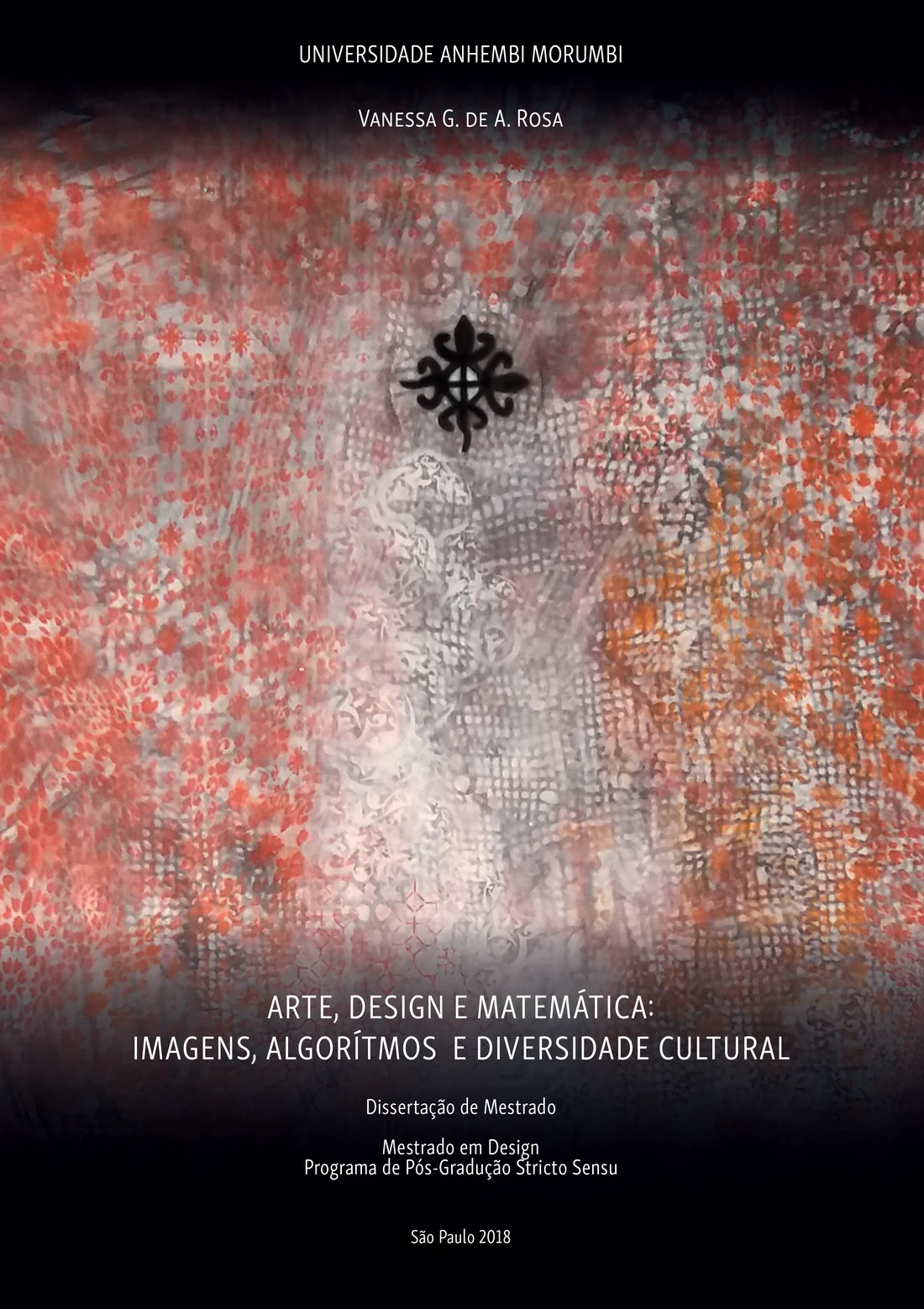
Arte, Design e Matemática: Imagens, Algoritmos e Diversidade Cultural
Master’s dissertation. Universidade Anhembi Morumbi, Master’s in Design, Art and Technology, São Paulo
Advisor: Prof. Gilbertto Prado. Examining board: Prof. Hermes Renato Hildebrand (PUC-SP) and Prof. Priscila Almeida Cunha Arantes (UAM). 152 pages, 58 figures.
English translation, 2026, by Claude Fable.
Pensando a perspectiva linear para além da narrativa eurocêntrica
Journal article. Revista do Departamento de Arquitetura e Urbanismo, PUC-Rio, Year I, No. I. ISSN 2446-7340
Sets Erwin Panofsky’s essay on perspective against Hans Belting and George Saliba, for whom Arab optics were essential to the Italian Renaissance. The argument is that mathematical principles from one culture can be reinterpreted in another and produce something new to both, and that art history needs the history of science to see it.
Published in Portuguese.
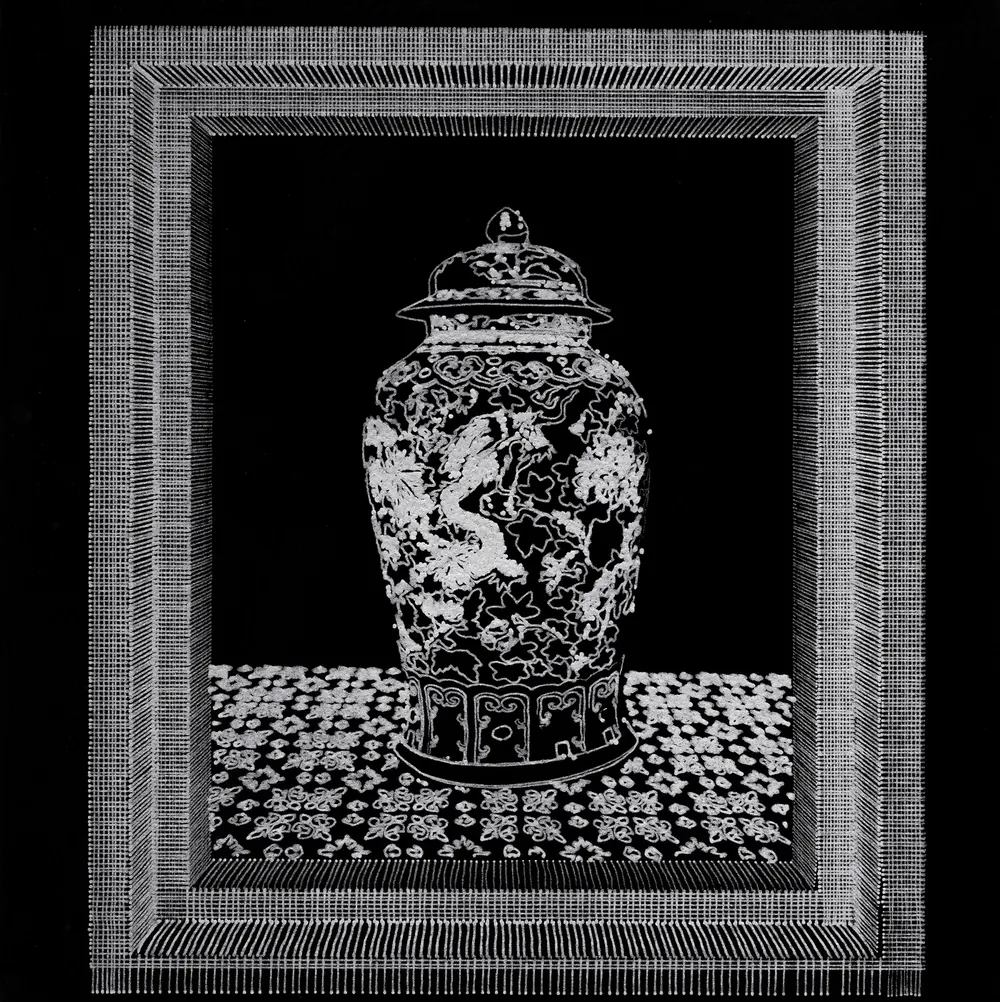
Sobre as contradições da atribuição do valor simbólico conhecido como arte a imagens e gestos
Conference essay. USO IMPRÓPRIO: Seminars in Contemporary Studies of the Arts, PPGCA
Written in the first person on purpose. Uses Jonathan Crary’s Techniques of the Observer against the standard account of modernism, and argues that the concept of art inherited from Renaissance Europe is too narrow to hold what images now do.
Published in Portuguese.
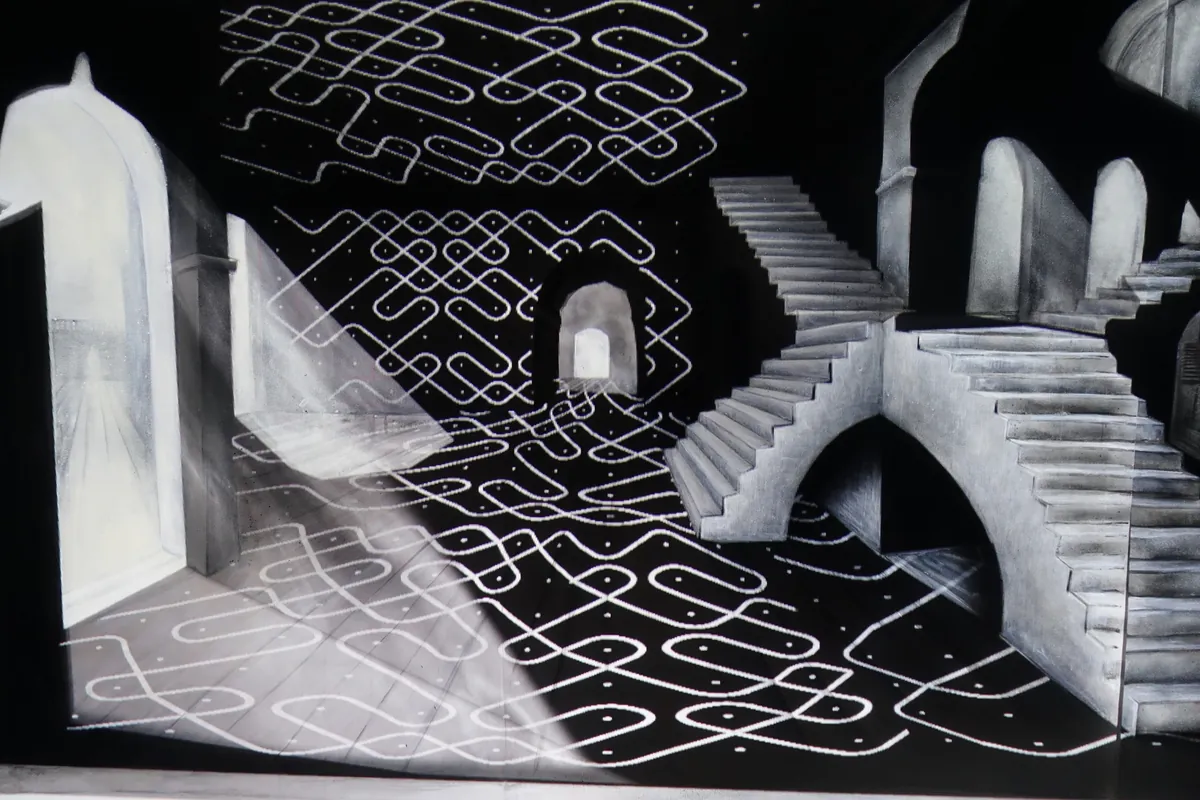
Sobre Database e seus impactos na forma de pensar, e ocupar, artisticamente um espaço
Conference paper. P&D Design, Universidade Anhembi Morumbi
Follows Lev Manovich’s database as symbolic form back through Panofsky to Ernst Cassirer, and asks what it means that the dominant cultural form of the computer age does not connect to any physical space.
Published in Portuguese.
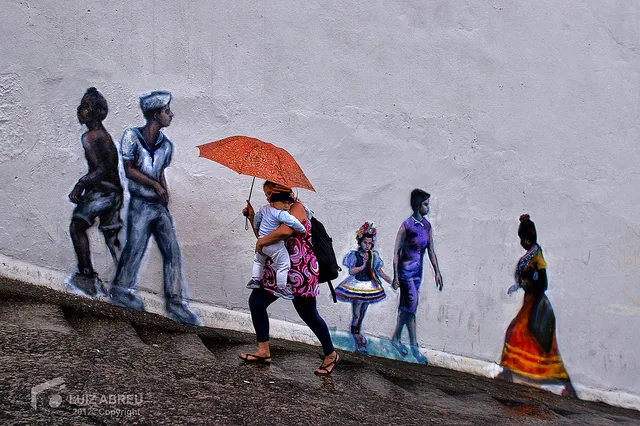
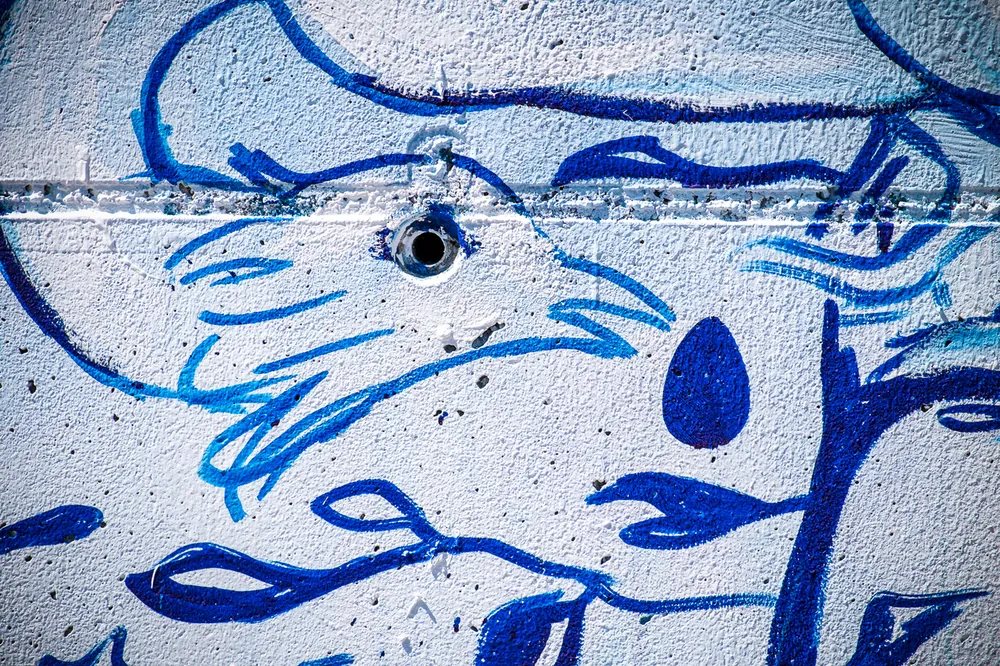
Undergraduate monograph. Institute of Arts, UERJ, Bachelor in Art History, Rio de Janeiro
Advisor: Prof. Roberto Luis Torres Conduru. Critical reader: Prof. Rafael Cardoso. On Banksy and Blu, and on what happens to a street work once its photograph travels further than the wall ever will. The title is a pun that does not survive translation: veracidade (truthfulness), ver a cidade (to see the city), and cidade (the city).
English translation, 2026, by Claude Fable. The opening pages describe Urban Images: Looking at Morro da Conceição, the undergraduate fellowship project that became Visible Memories.
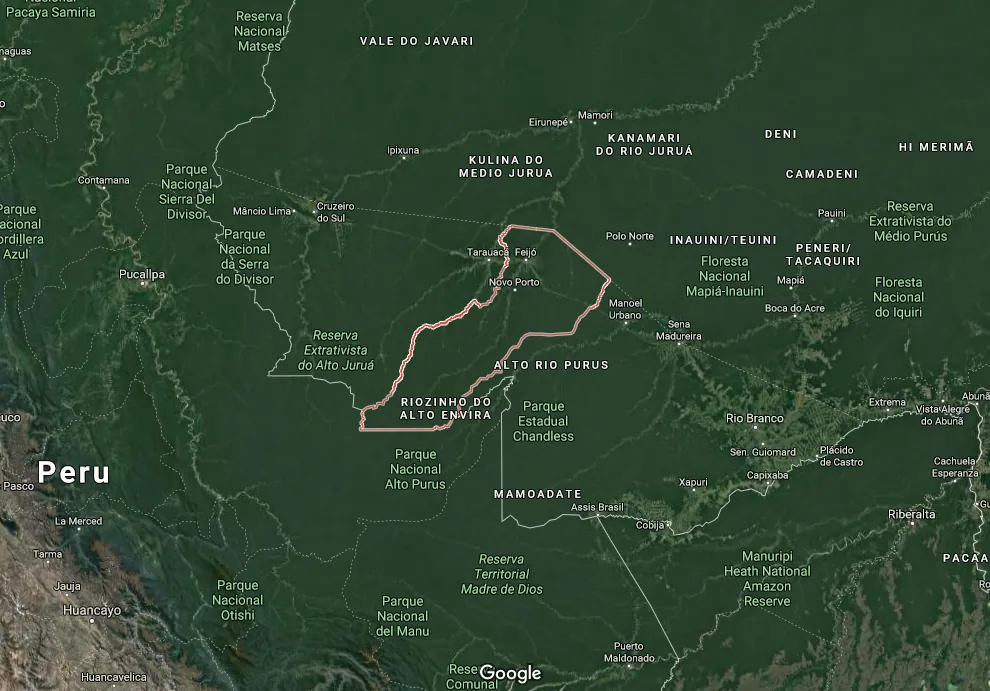
Report. Independent research practice, written after a month on the upper Envira
What technological exchange with Amazonian indigenous communities could look like if the communities led it, and what it becomes if they do not. It takes up the questions raised by MIT Media Lab’s Space Enabled group about democratising space technology for social justice, and asks what they would mean on the Envira. 14 pages.
The essays that work out the universe as it is being built. Most live on the Little Martians Substack; the earliest ones were written for Mars College.
Essay
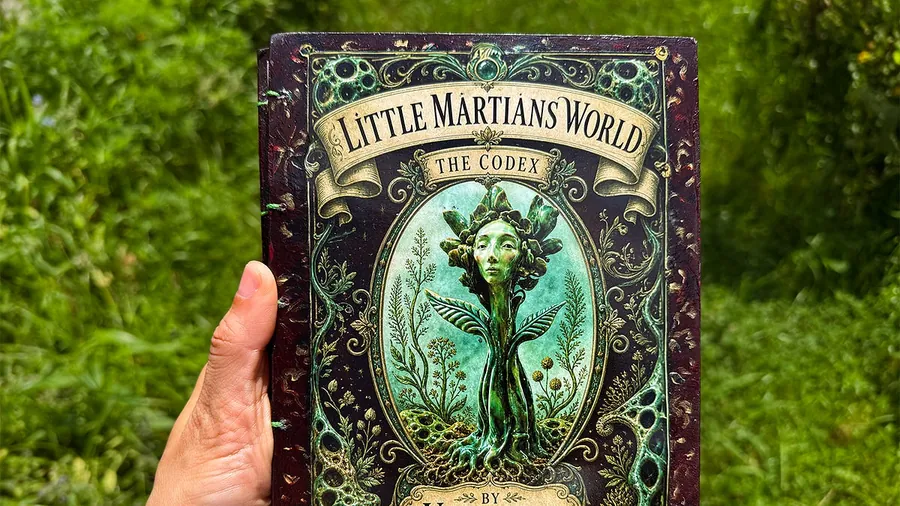
On making the spine of a fictional universe, in the voice of Verdelia, librarian of the moon. The first copy was hand-bound with Matt Melnicki and shown at The Founding Assembly for Machine Consciousness Research, in the Uncanny Nova Phenomenon show curated by Aleksandra Smilek. The Codex is not published yet; ask and I will send a PDF.
Essay
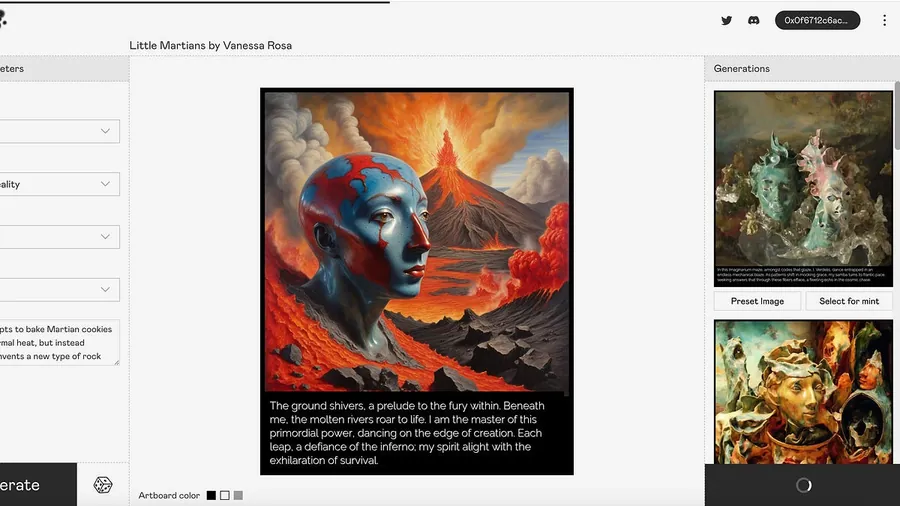
You give a language model a character, a context and a voice, and you ask it to speak as that character. Gene Kogan and I have been at this for years. Companion to the NeurIPS paper above.
Essay
I want AI to amplify the value of physical craft rather than obscure it. On the smell of the materials, the learning curve, and the gap between what you envision and what the clay allows.
Essay
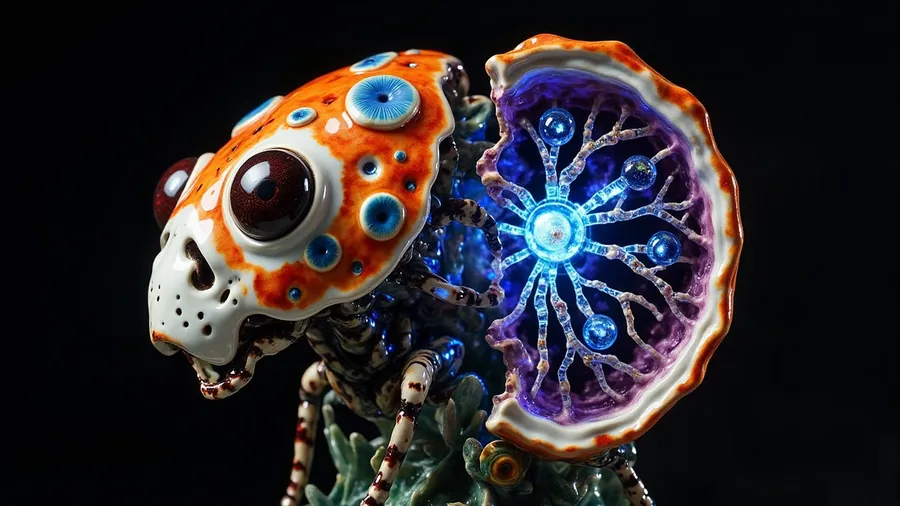
Little Martians as infrastructure-level beings: von Neumann probes, but organic and conscious, keeping Earth’s heritage in the Imaginarium.

Essay
The methodology. Teaching clay to remember the future, in a studio in the Sonoran desert.
Essay
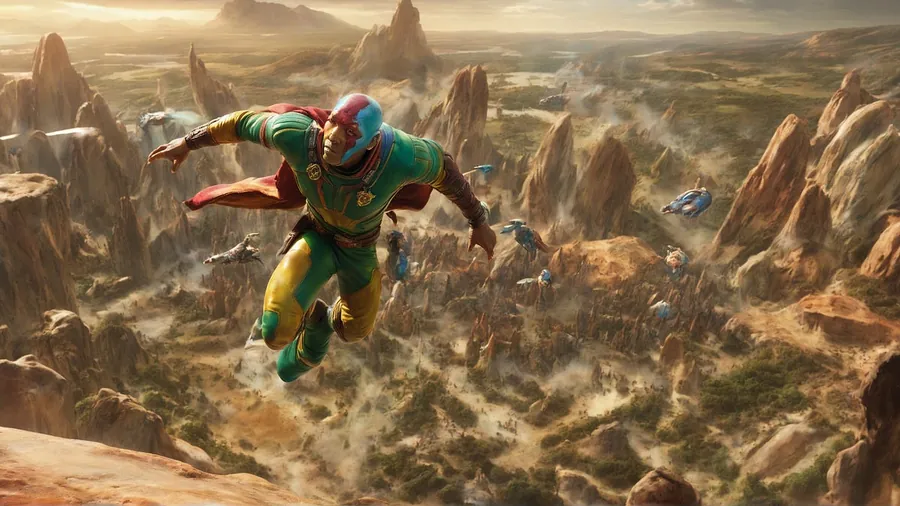
On remix culture, and what it means for a fictional universe to be built by more than one person.
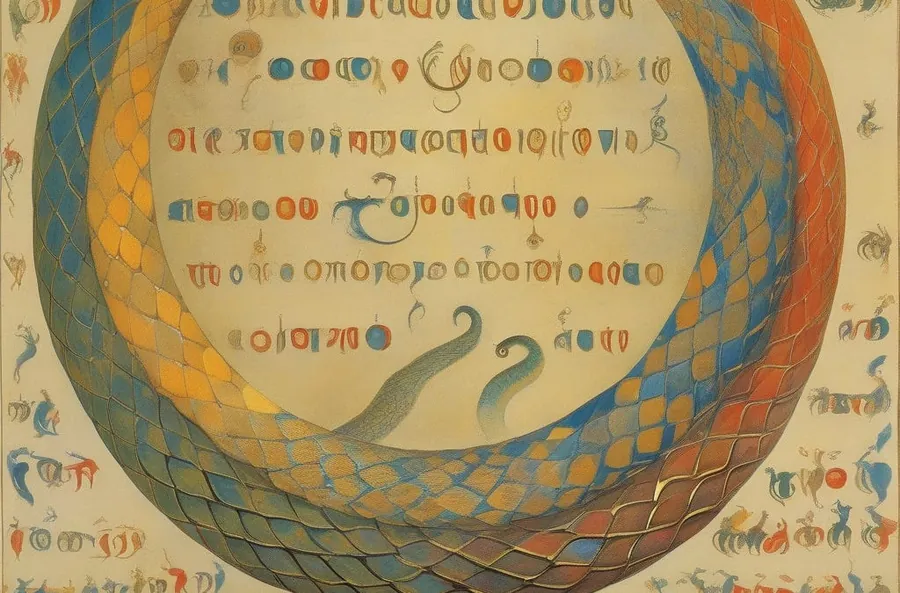
Essay
The Maize Gods, the Xapiri of the Yanomami, and what anthropomorphism does for our relationship to a forest.
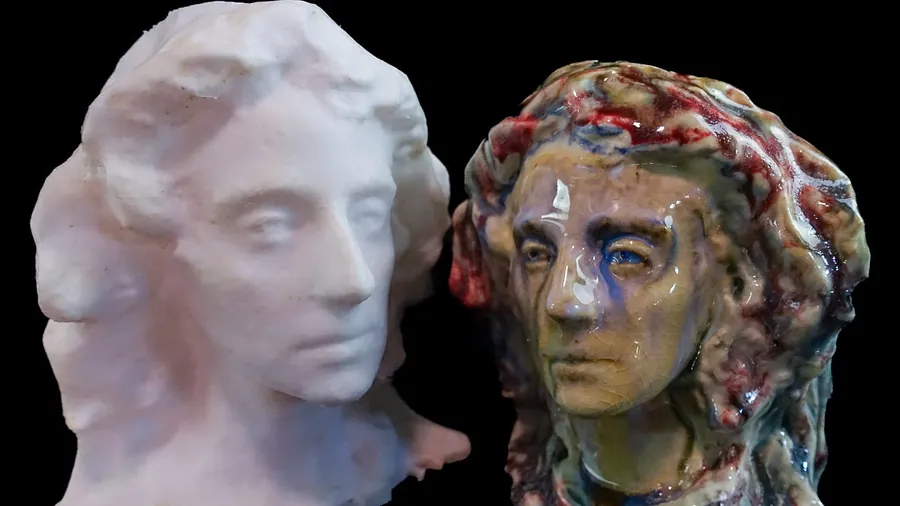
Essay
If you could upload your mind and edit it on the way in, what would you keep?
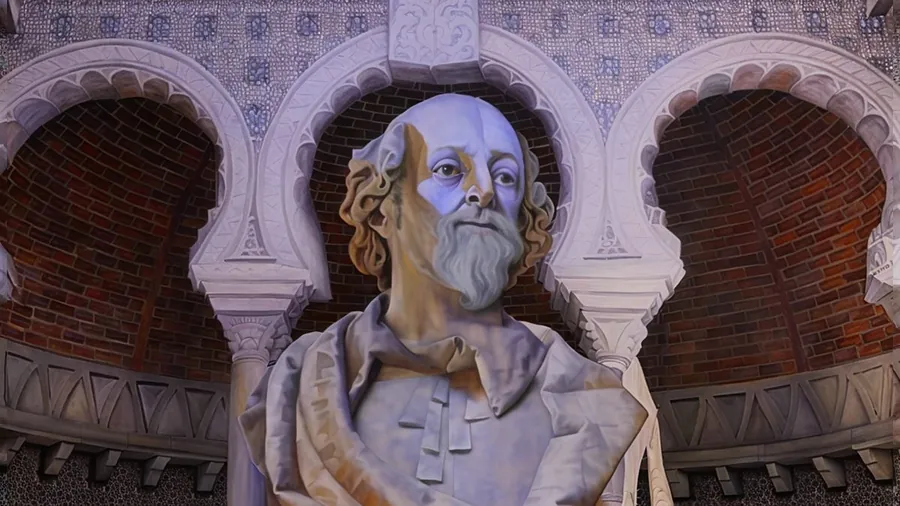
Essay
Authorship, and how a work extends past its author. Out of one made-in-China Shakespeare bust, several new characters were born.
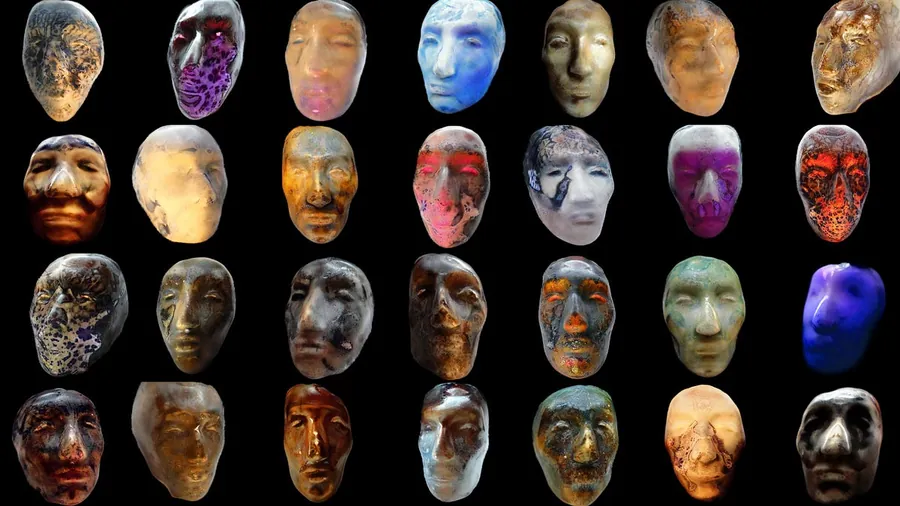
Essay
Tales from a future simulation. How the concept moved from Human Memorial to Human Imaginarium.
Essay
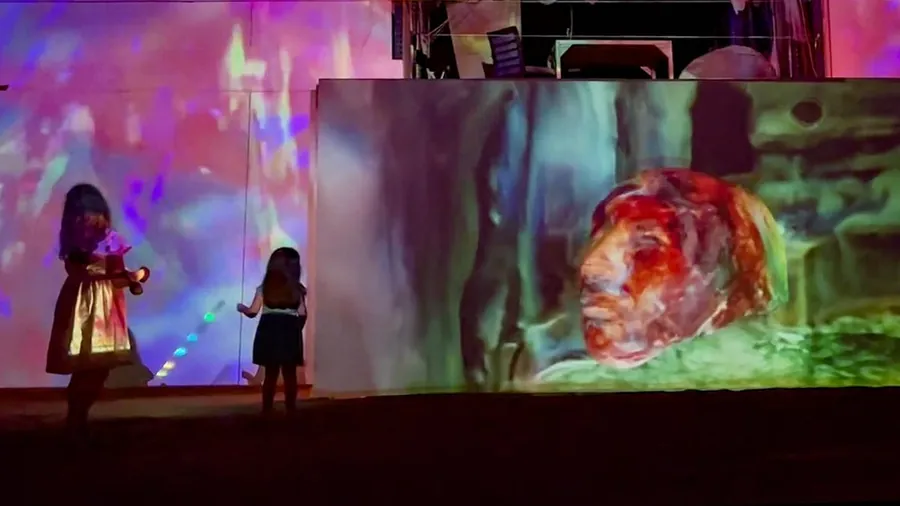
A ceramics class at BBAC in Bombay Beach where everyone sculpted their own Little Martian.
Essay
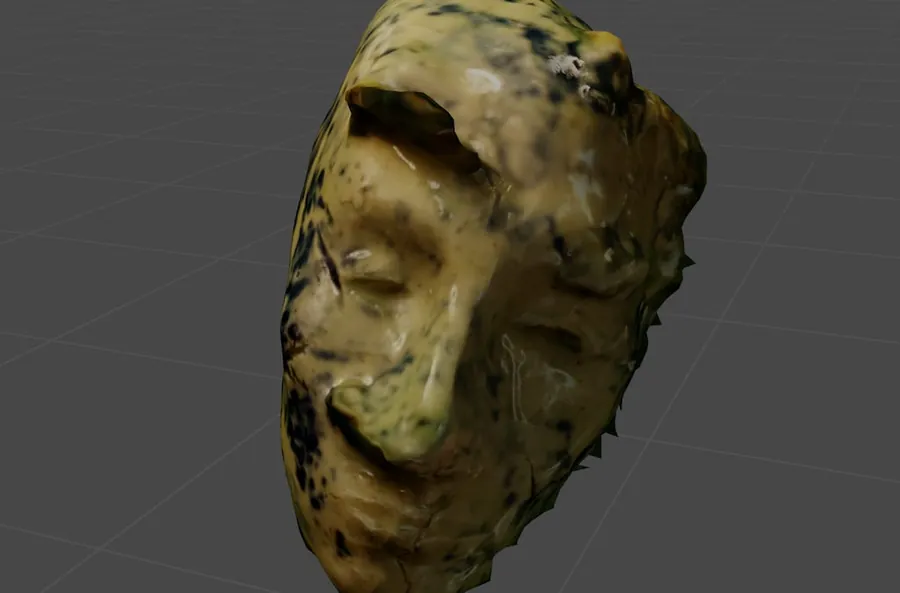
Clay is one of the oldest technologies we have, and a very good heat shield. Could AI breathe life into clay-based humans?
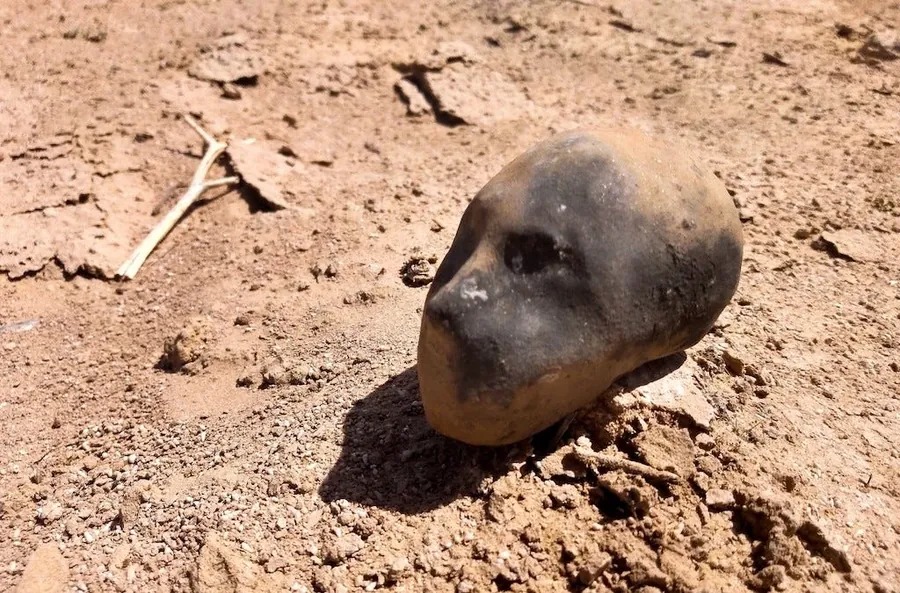
Written on Medium between 2019 and 2021, before the Little Martians Substack took over.
Essay. Medium, August 2019. Fifteen minutes
The essay traces ethnomathematics from Paulus Gerdes back to Ubiratan D’Ambrosio in the 1970s, and to what shaped it: Paulo Freire’s pedagogy of the oppressed, and Oswald Spengler’s argument that a history of science has to be a history of cultures. These ideas fed several works, above all Ethnocomputing Experiments, made with Wenqi Li in 2018.
Essay. Medium, June 2021
Written before the AI image boom of 2022. It explains how generative models would upend the creator economy, and that the best artists could do was to learn as much as they could about the AI models and the possibilities they open.
Essay. Medium, December 2019
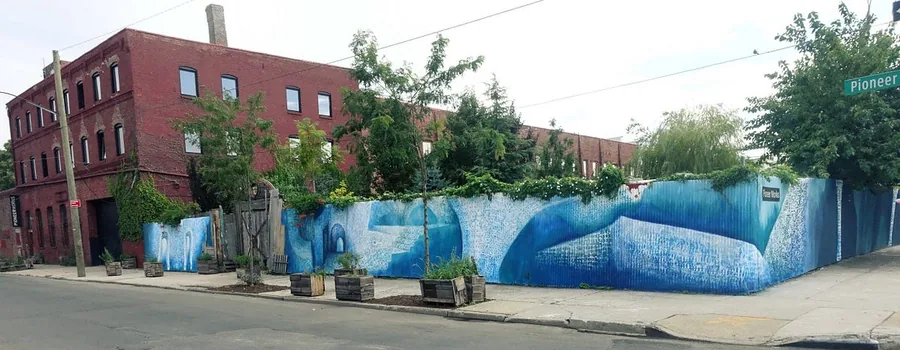
A personal account of the development of an artistic research, from the tiles to the Pioneer Works wall. Also published in Portuguese as Rotas da Seda.
Project note. Medium, September 2019
A filter made with the Indian technologist and artist Harshit Agrawal, in response to the Amazon fires. Also published in Portuguese.
Paper and panel. NeurIPS 2025, Creative AI track
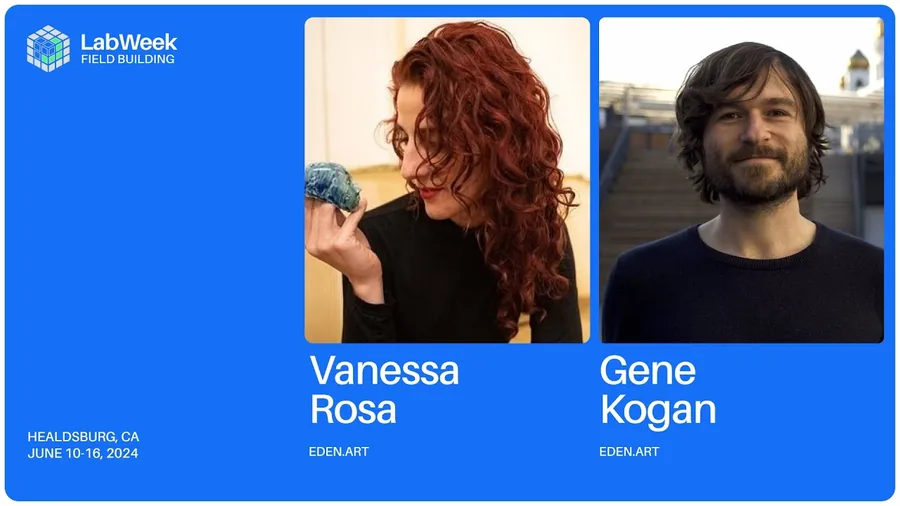
Talk. Foresight Institute and Protocol Labs, Edge Esmeralda
I walked through the Little Martians world, and Gene Kogan introduced Abraham.ai in the same session.
Talk. NVIDIA GTC
Talk. NVIDIA
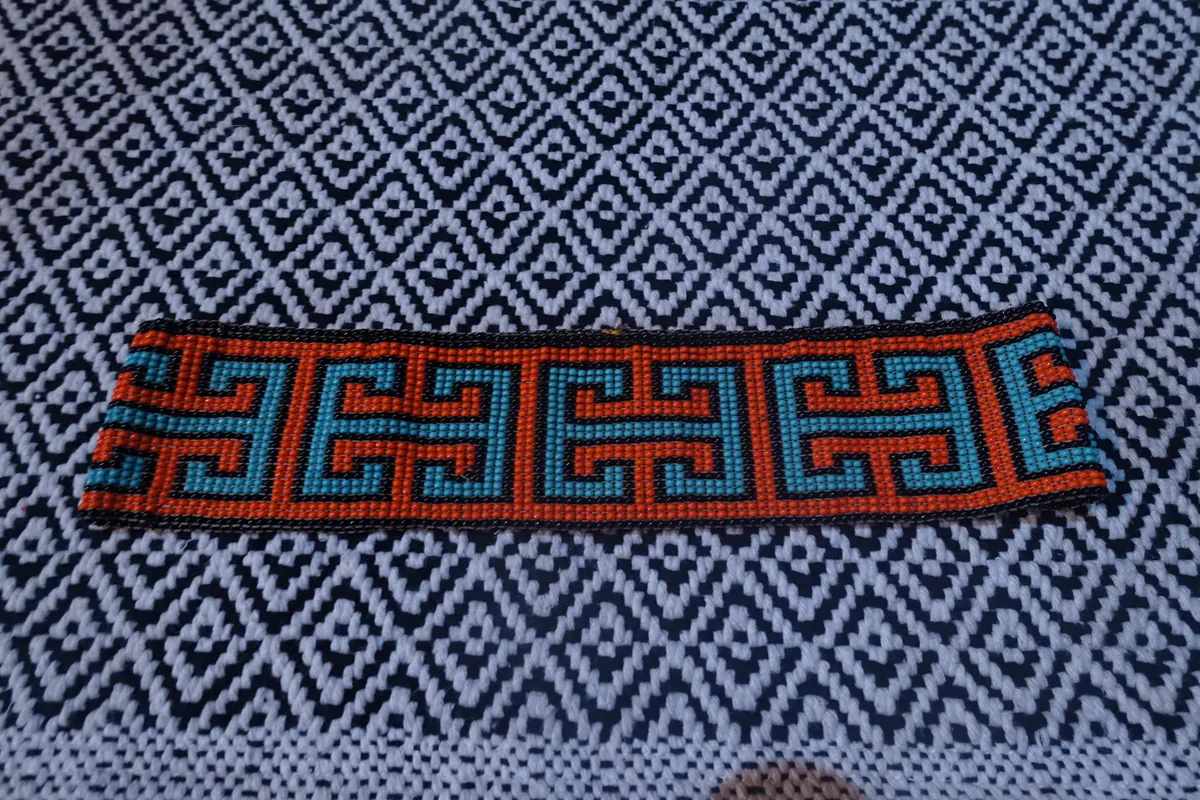
Educators’ panel. FabLearn Global 2020, and again at FabLearn Asia 2020
Indigenous patterns, algorithmic design and digital fabrication with high-schoolers at Colégio Magno, São Paulo.
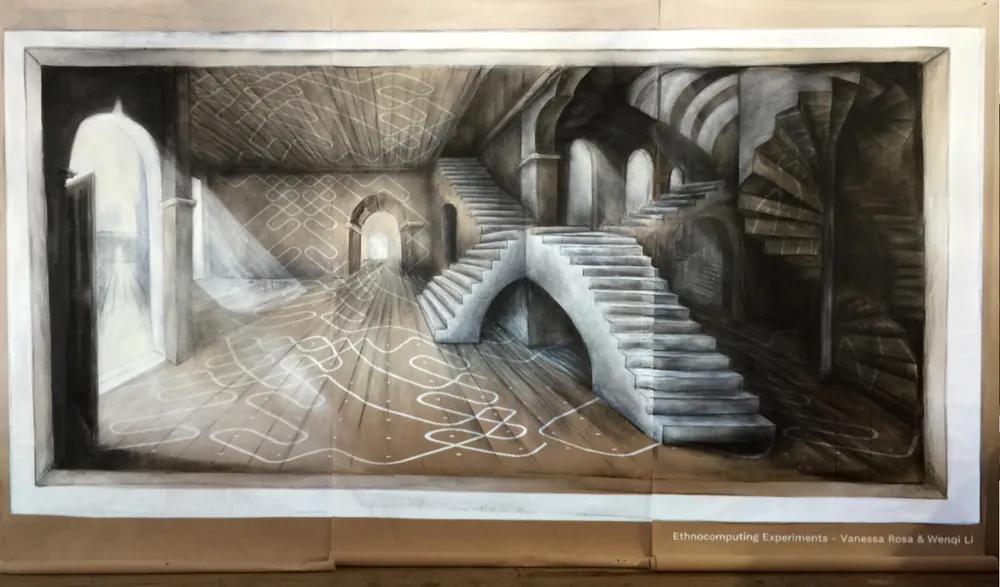
Talk. Penn State, with Verônica Natividade
More texts are on their way, including older academic articles. This list will grow.