Visible Memories
At first I chose to work in the port zone of Rio because of its history. Ten years ago it was barely visited or known by most of the city’s inhabitants, despite its importance.
The area was once the biggest slave port of the Americas, and also one of the birthplaces of Brazilian samba and modern carnival. After the reforms for the 2016 Olympic Games began, the port zone became a symbol of Rio’s transformation and of its continued denial of the past.
Working there ended up being the strongest formative experience I had in the arts. It made me understand the importance of art and activism. I kept making projects in the area, had a studio there for more than two years with the community leader Maurício Hora, and became involved with the projects of the Quilombo of Pedra do Sal.
The last project I organised in the region was the Sankofa Project, during the Olympic Games of 2016.
A portrait on a wall is an argument about which of a city’s histories get to stay visible.
The first paintings
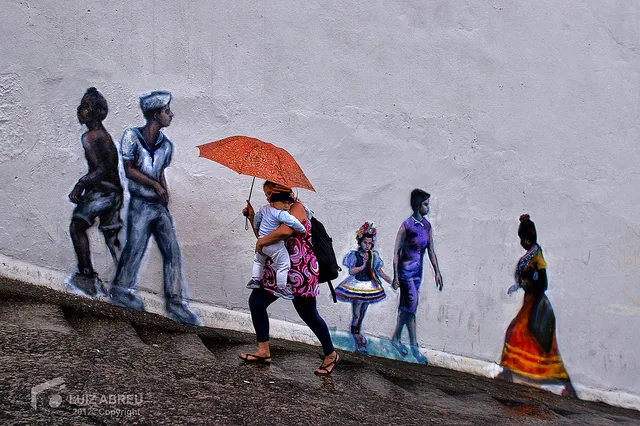
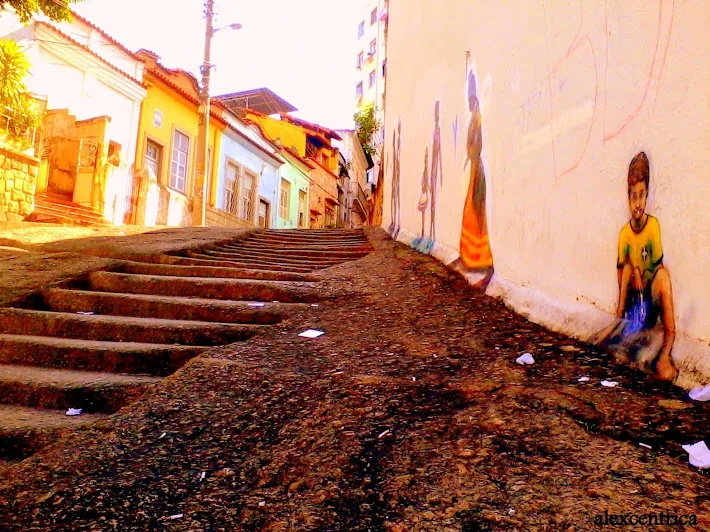
I started painting in the region in 2010, as part of my undergraduate research scholarship. Back then I produced imaginary figures of people from other times, at life scale, as if the everyday life of the past had been mixed into the present one.
The scale is the argument. At the size of a body, a painted figure meets you; larger and it becomes architecture, smaller and it becomes an illustration.
Photographs
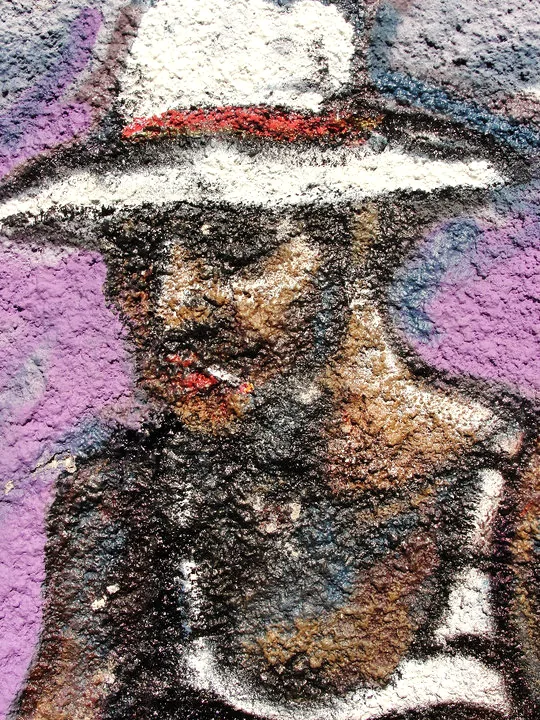
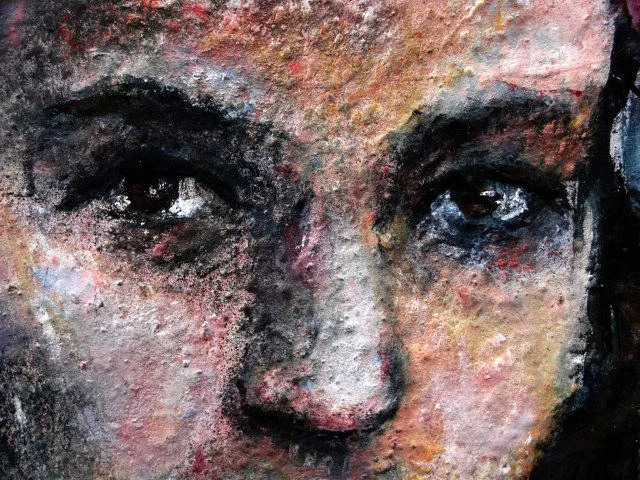
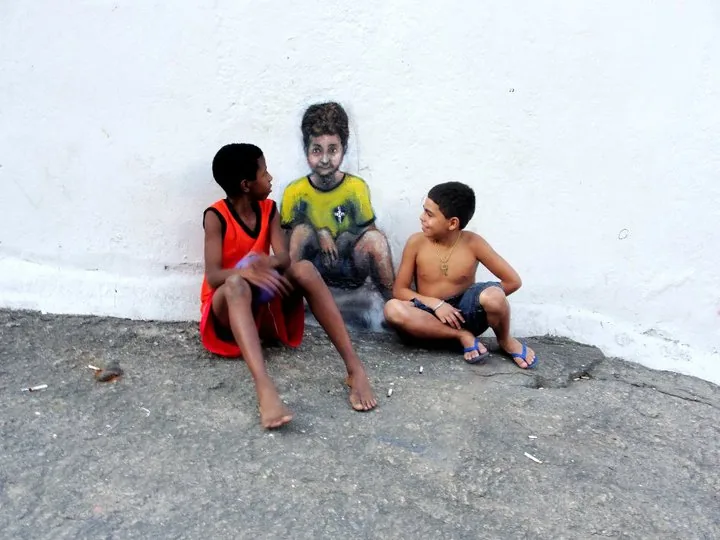
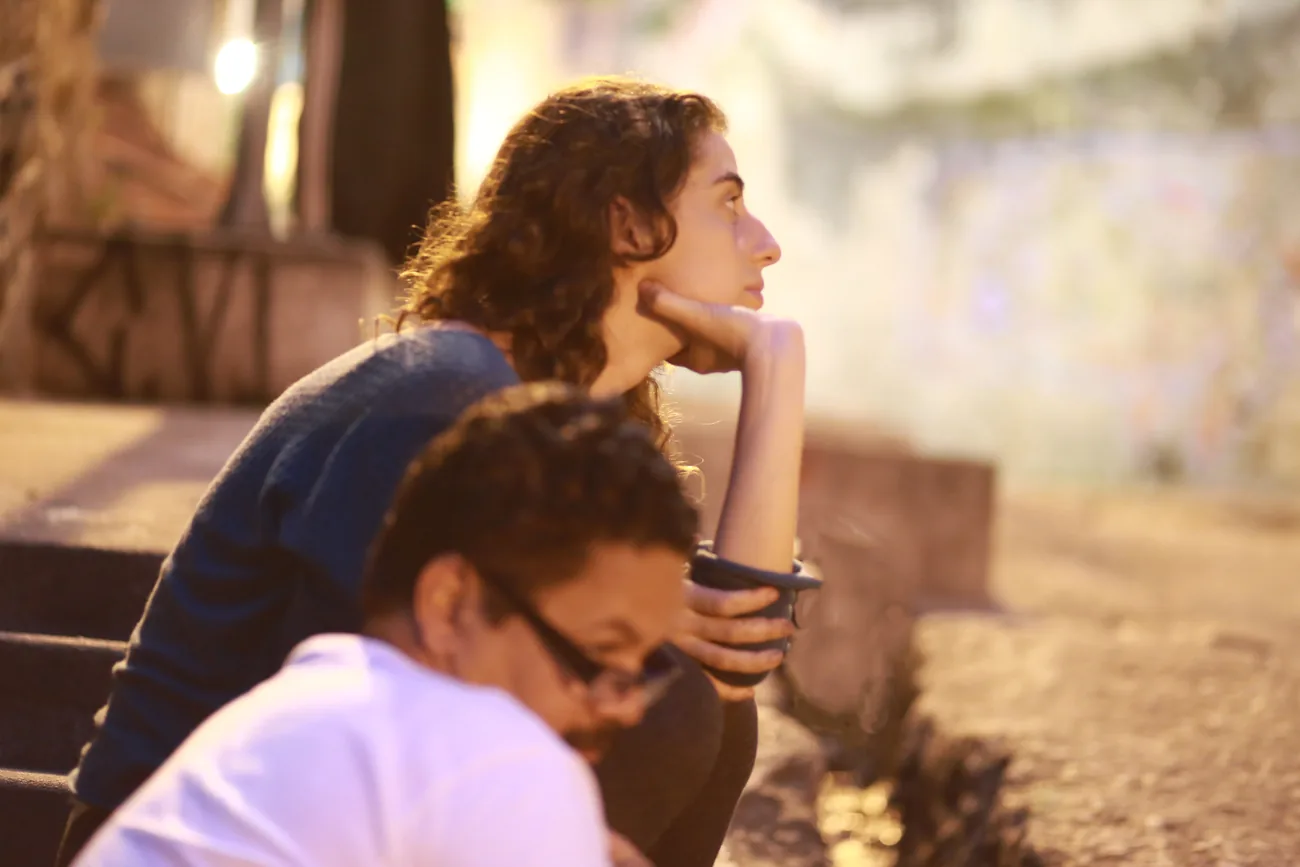
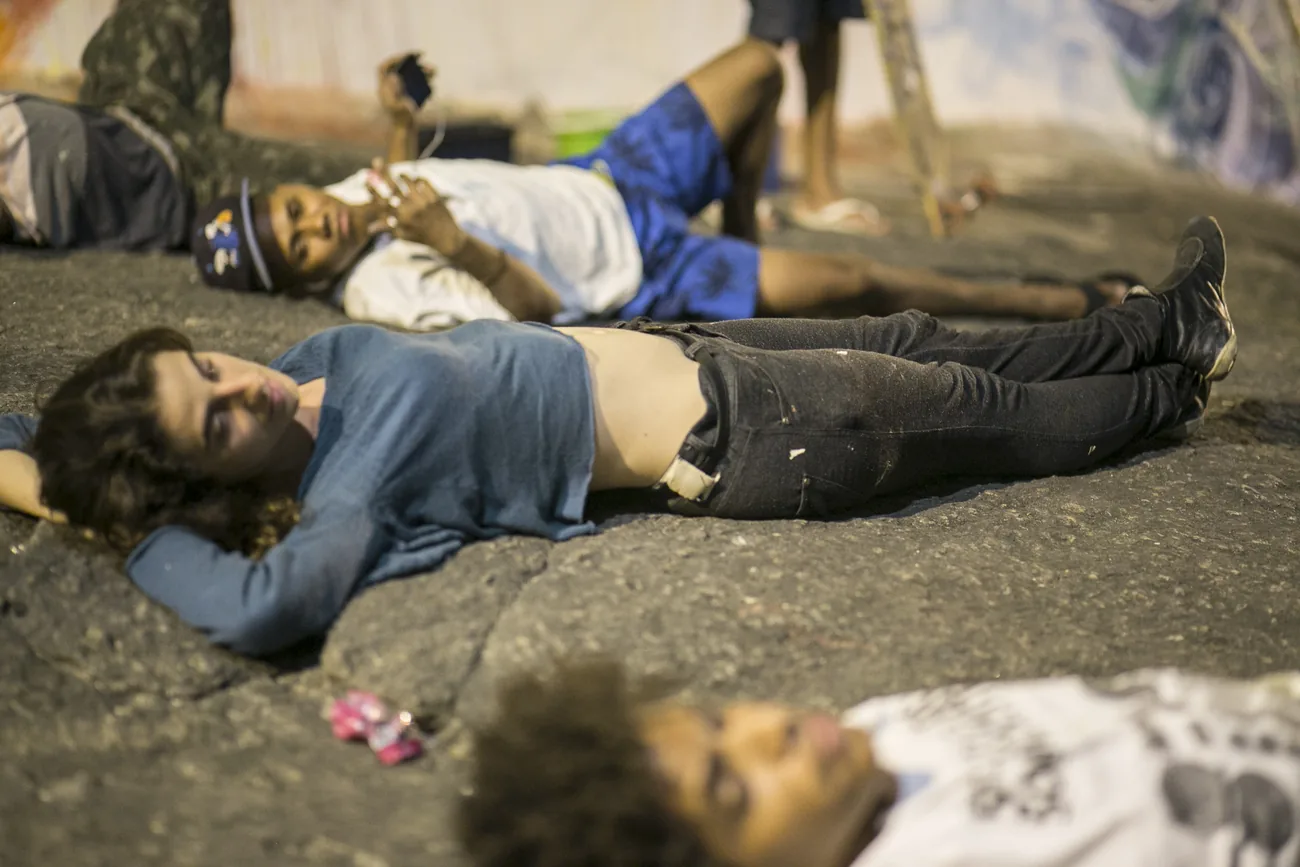
Some of the photographs made in the region the following year. The paintings living in the street, at night and in daylight, with the people who pass them every day.
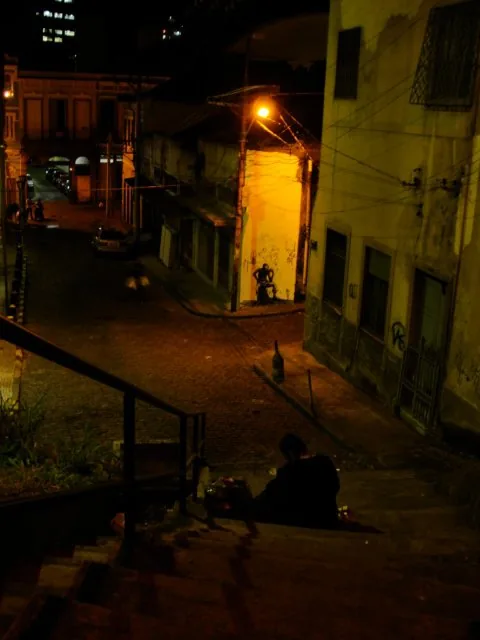
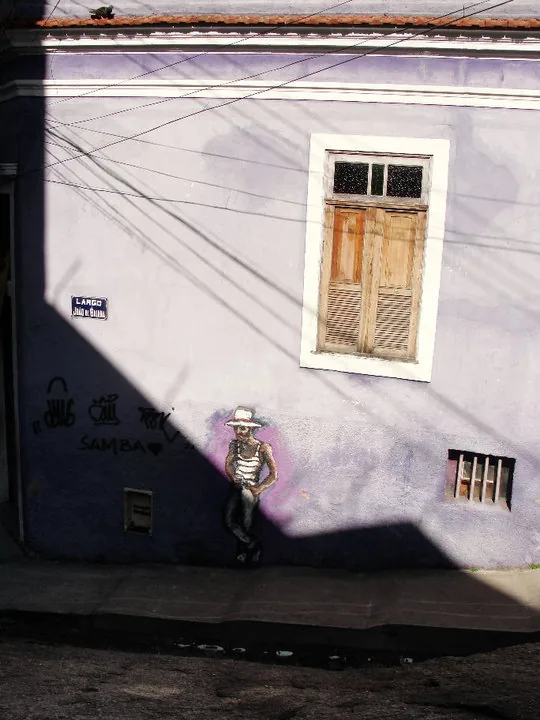
With Injusticia
An image from 2012 showing the background at Pedra do Sal, painted by me and Injusticia, from Chile.
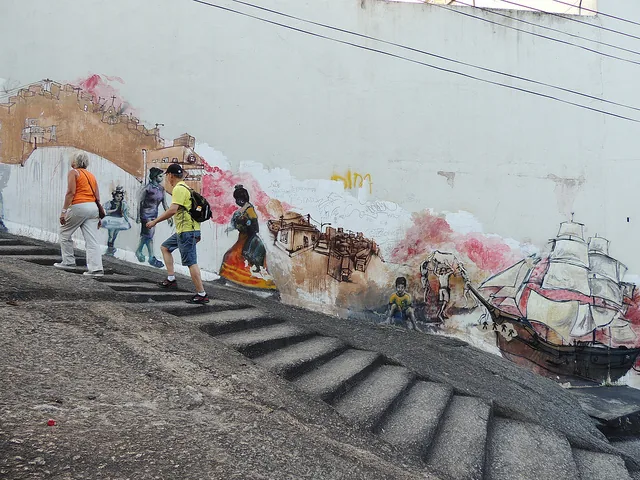
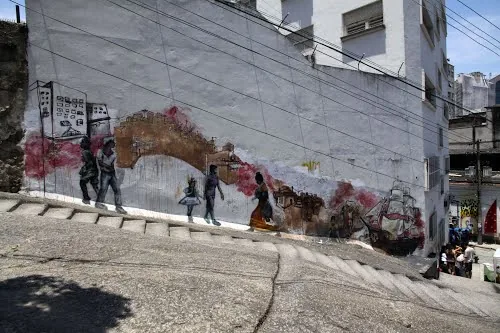
The slave ship
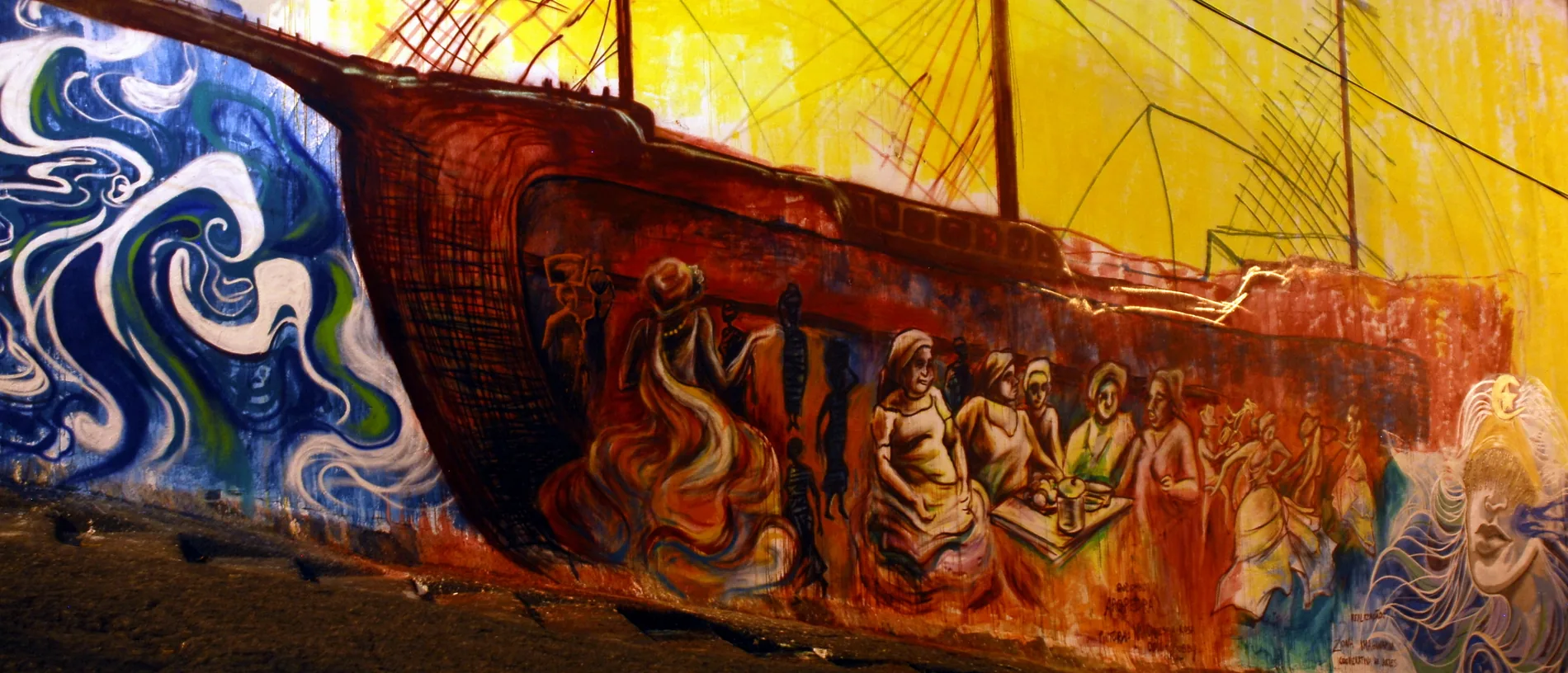
As a development of the first painting project, in 2014 I worked with local black activists called Quilombolas, descendants of enslaved people who have kept their traditions and their housing since before abolition.
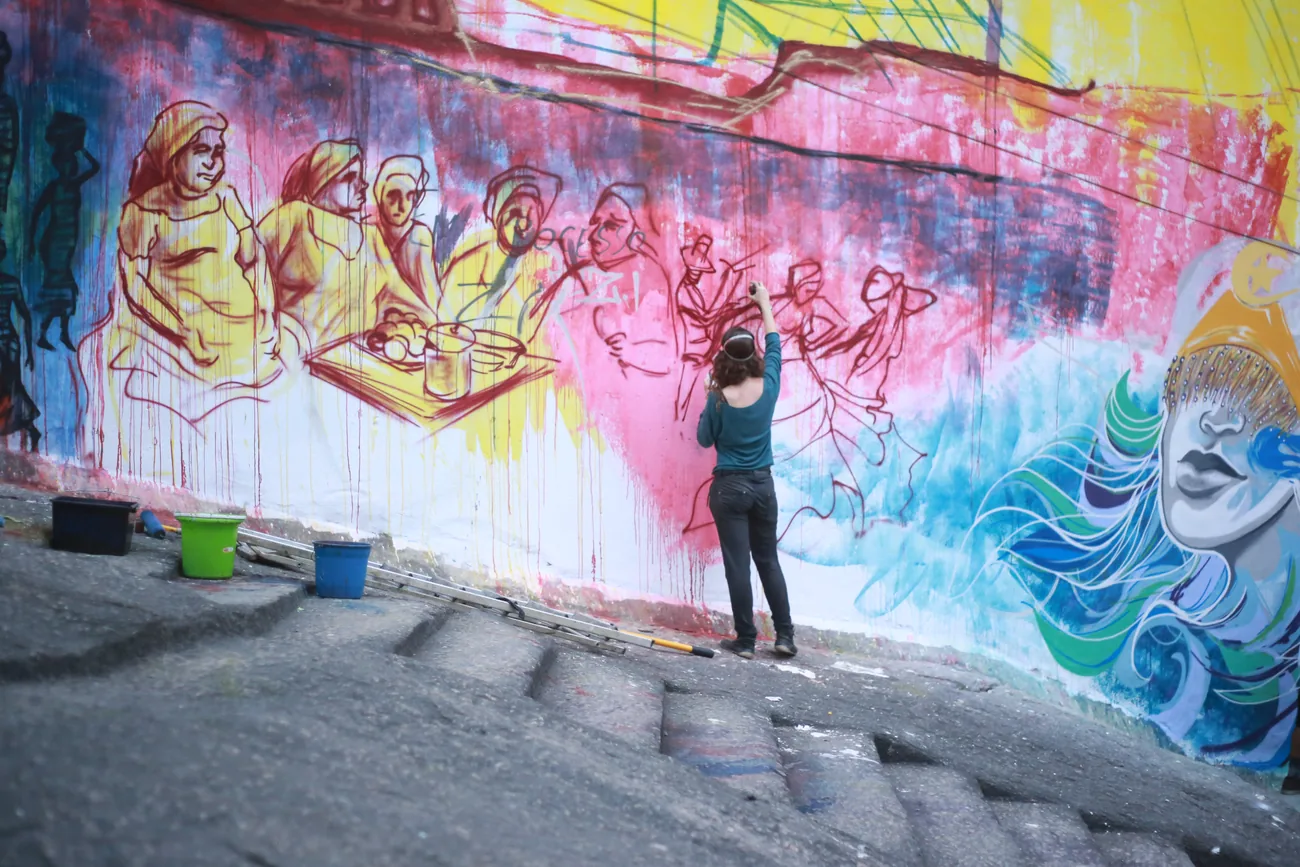
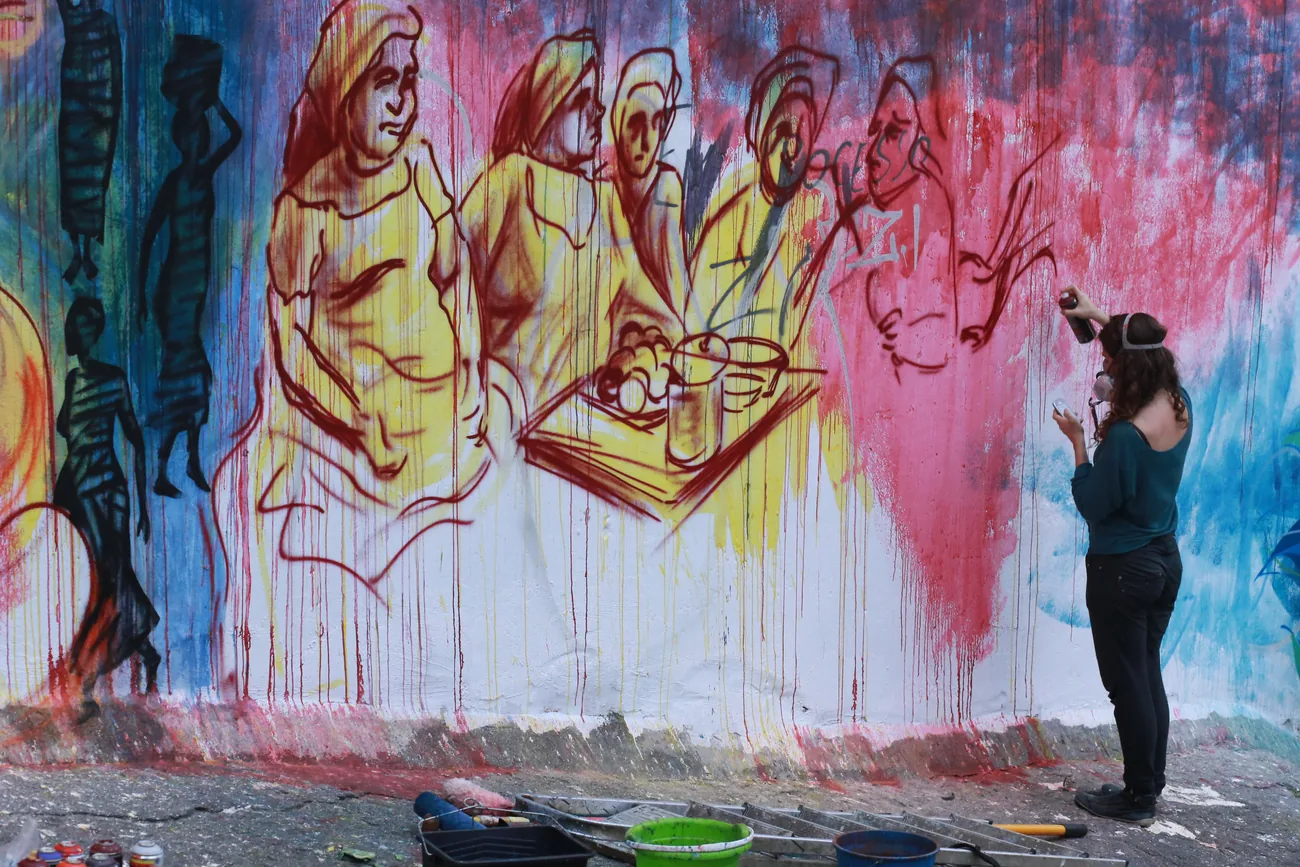
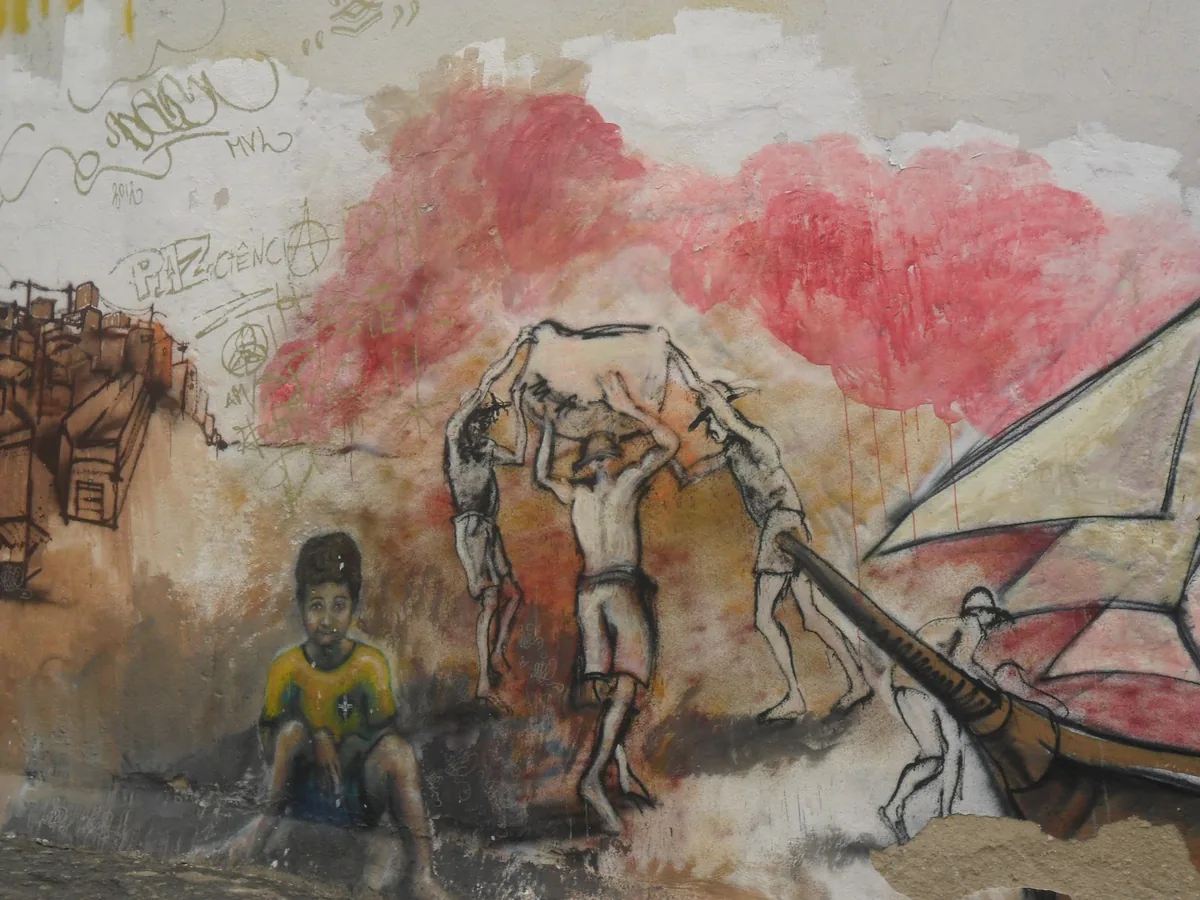
In collaboration with other artists raised in the port zone, Felipe Carvalho, Diego Deus and Douglas Oliveiras, we painted a huge slave ship. One that carried a message of strength.
The painting came to represent the presence of the Quilombolas in the region, and has since been used in news articles, music videos and even in advertising for historical tours.
The Sankofa Project
In 2016 I was invited by Damião Braga, president of the Quilombo, to make a painting in the area during the Summer Olympic Games. Challenge accepted. I coordinated the project with the artist Felipe Carvalho.
We collaborated with the architect Verônica Natividade, who brought her university students to help by making parametric generated stencils of African patterns. The work was based on our research into traditional Yoruba religious painting, and involved a crowdfunding campaign, several local artists and institutions.
We were inspired by Professor Ron Eglash’s work on African fractals and ethnomathematics. That reference was the key to describing traditional patterns as parametric code, using Grasshopper. We also had the pleasure of relying on Professor Bolaji Campbell’s personal advice on traditional Yoruba painting.
This is the exact point where the street work turned into the ethnocomputing research.
- Damião BragaQuilombo leader
- Vanessa Rosa and Felipe Carvalhocoordinators and researchers
- Verônica Natividadearchitect, designer and PUC professor
- Joyce Oliveira, Pedro Carneiro, Diego Deus, Thiago Haule, Vitor Vanesartists
- Camila Rodriguez, Eduardo Romano, Marcos Chaves, Rafael Magioliarchitecture students
- Monica Combatenteproducer
- Pajé Produçõesfilmmakers and documentation
- Zona Imagináriaproduction support
The Sankofa Project, filmed by eNCA, South Africa.
AJ+, “Mural Artists Reclaim Rio’s African Heritage”, 2016.
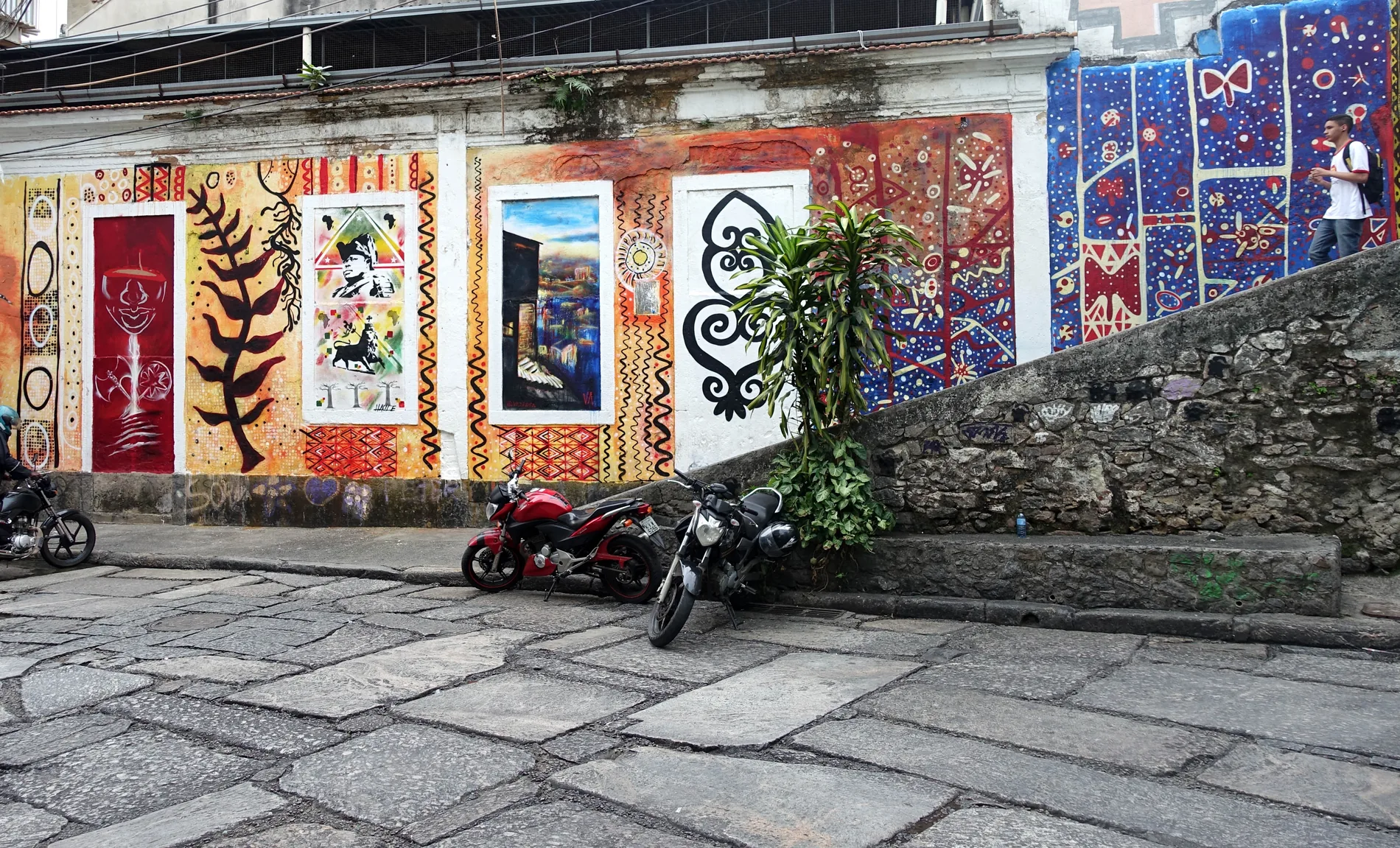
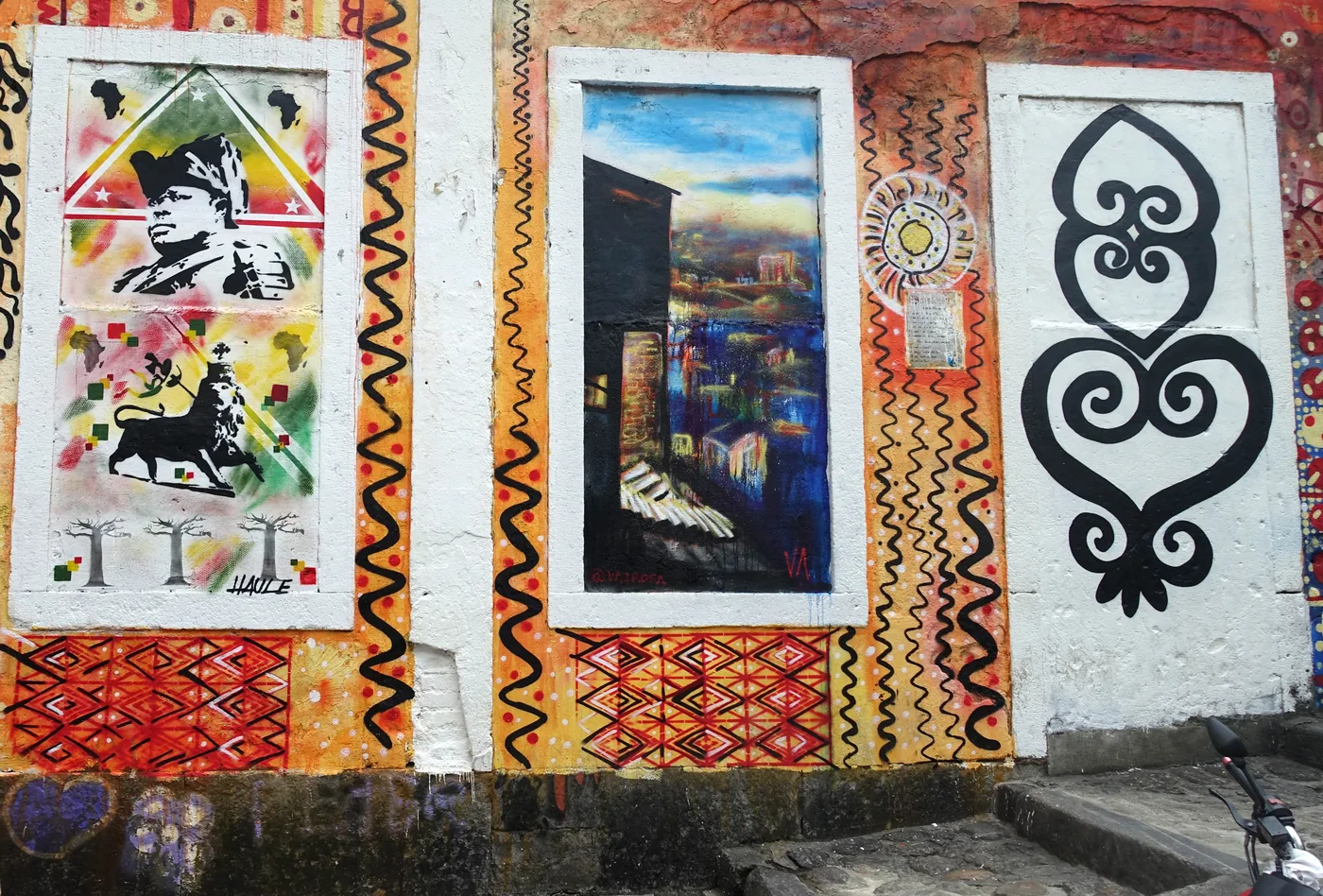
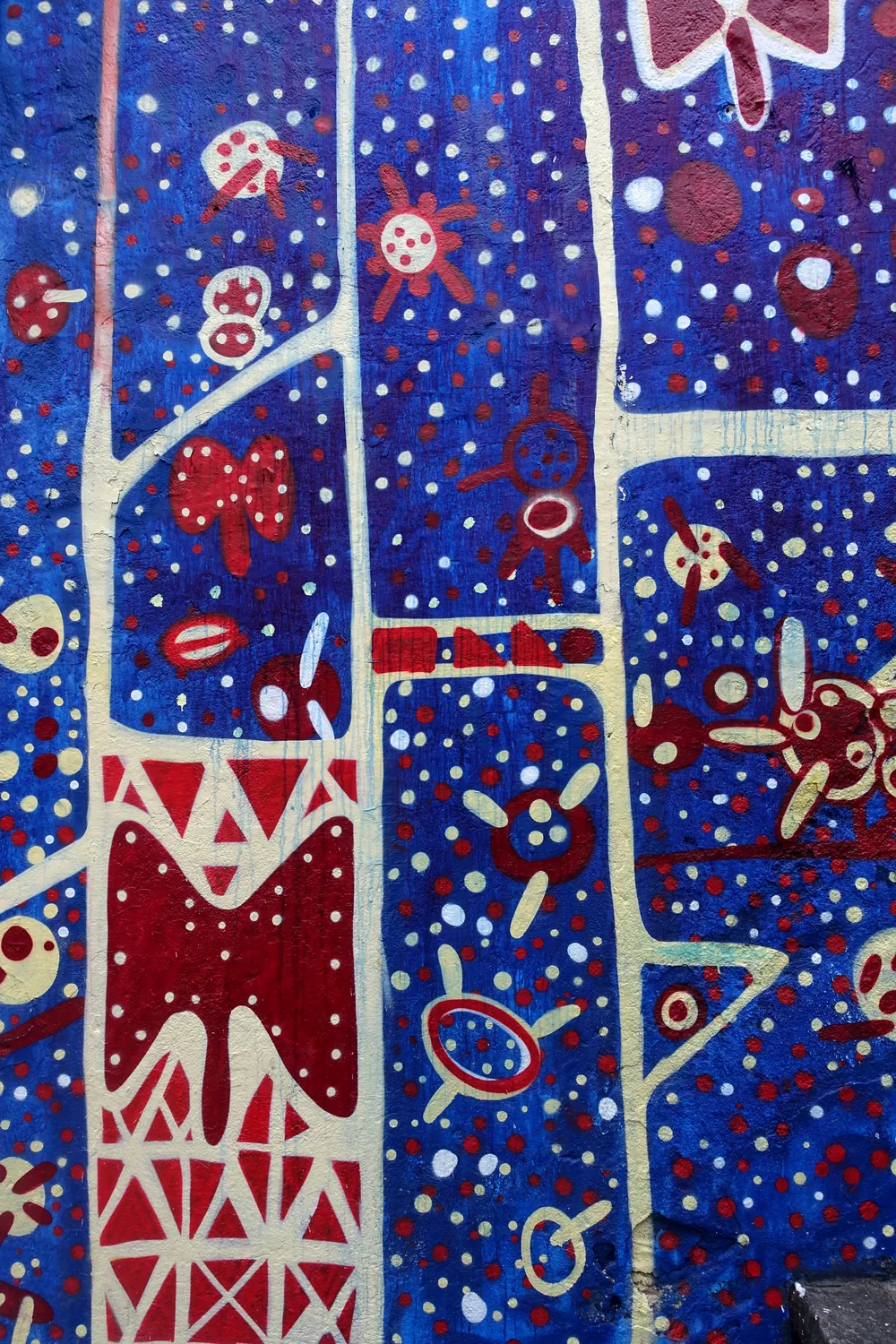
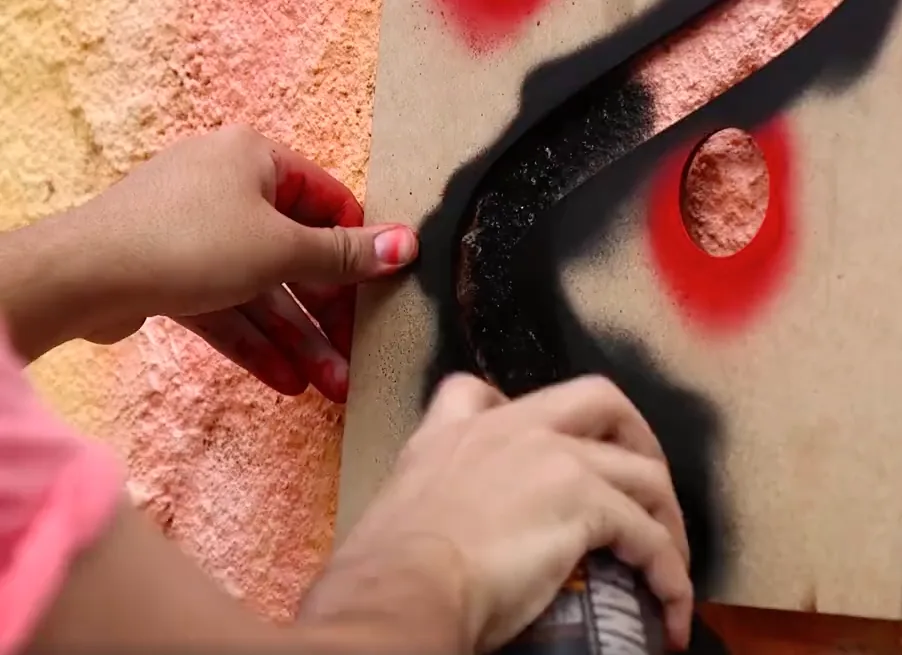
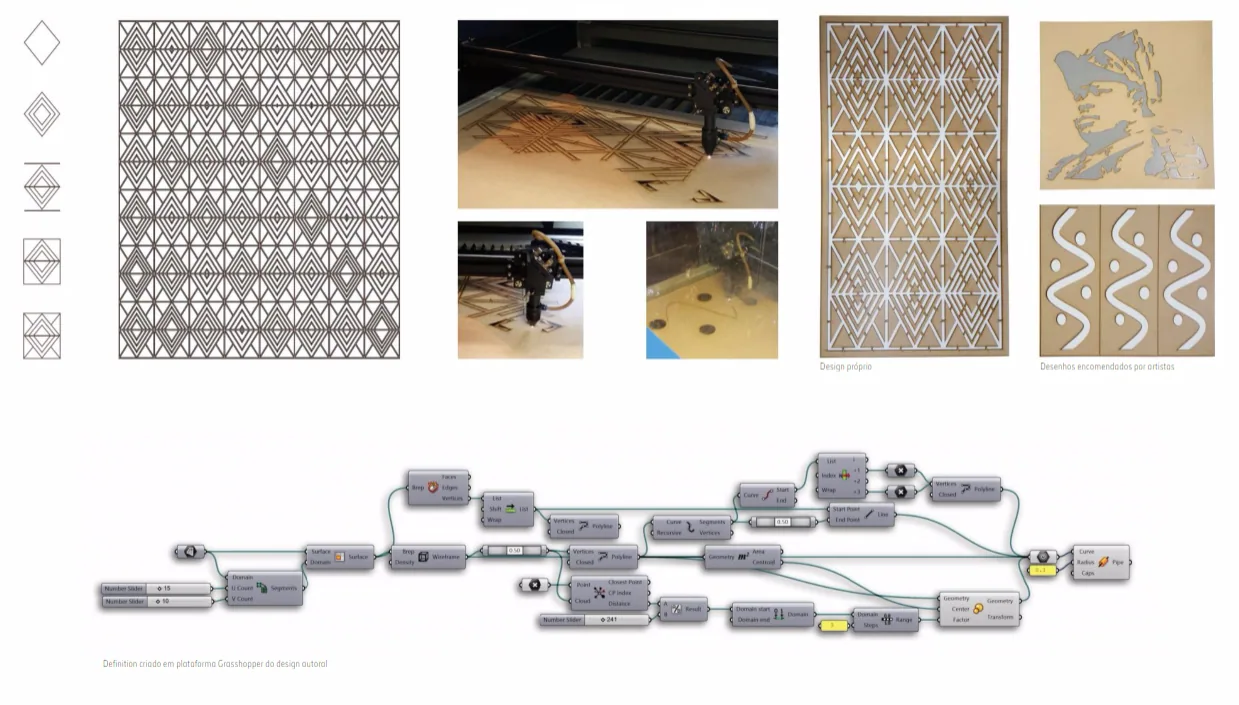
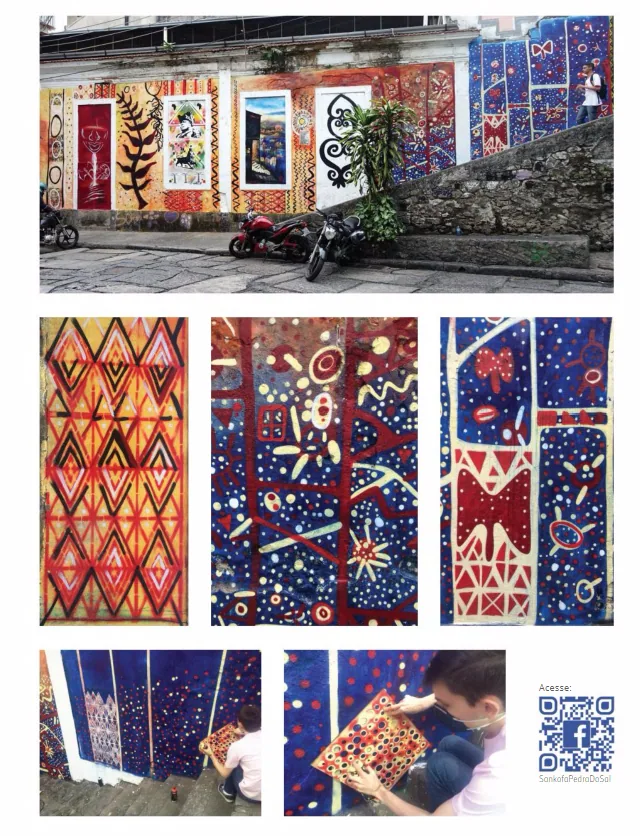
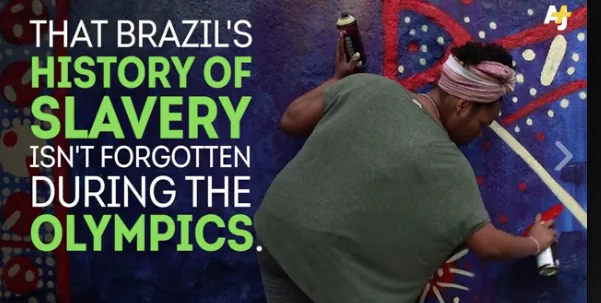
The last project I organised in the region was Sankofa, during the Olympic Games of 2016.
Eglash, Ron. African Fractals: Modern Computing and Indigenous Design. Rutgers UP, 1999.
Campbell, Bolaji. On Yoruba traditional religious painting.
01 Visible Memories02 Maurício Hora03 Silk Roads04 Ethnomathematics & Ethnocomputing05 Same Putumi06 Mars College07 Little Martians